Nature in Vietnam

An overview of Vietnam’s natural landscapes and ecosystems from north to south, designed to support informed travel planning.

Thanks to its varied geography, nature in Vietnam is remarkably diverse, featuring a wide range of landscapes and ecosystems stretching from north to south. These include majestic mountain ranges, tropical national parks, gently sloping coastlines, extensive river systems, and some of Southeast Asia’s most fascinating cave networks.

Together, these natural environments create peaceful and immersive experiences, especially appealing to travelers from temperate countries who wish to slow down, reconnect with nature, and appreciate the harmony between land, water, and sky.

On Vietnamdrive, we categorize Vietnam’s natural landscapes into key groups such as mountains, islands, caves, rivers, and national parks. This structure makes it easy to explore, compare, and choose destinations that best suit different travel styles and interests.

How to Experience Nature in Vietnam

Vietnam’s natural landscapes can be experienced in many ways, depending on your pace and travel preferences. Some travelers enjoy trekking through tropical forests in national parks or walking along mountain slopes and terraced rice fields in the Northwest. Others prefer early mornings watching the sunrise among the limestone formations of Ha Long Bay or exploring the magnificent cave systems of Phong Nha–Ke Bang.
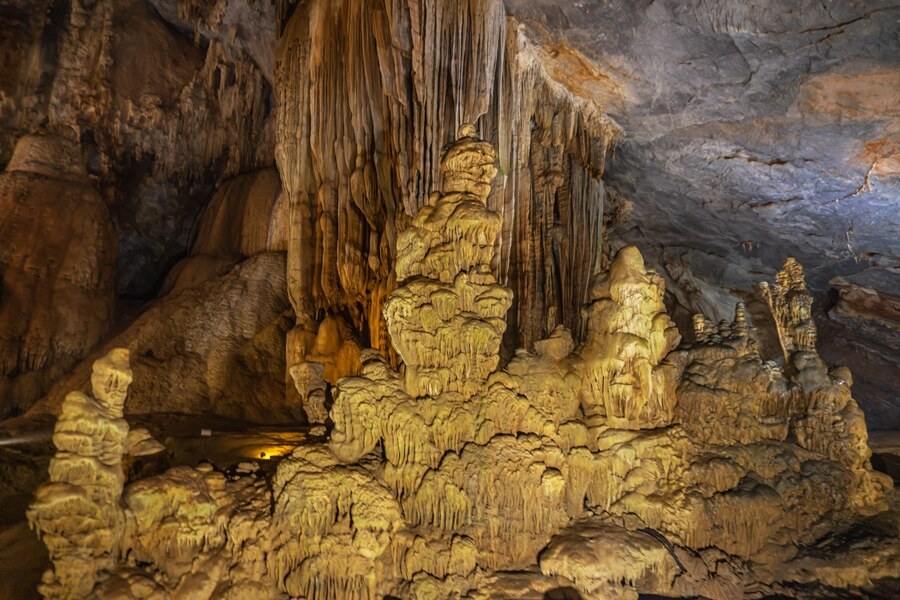
Natural stalactites inside Paradise Cave in Phong Nha Ke Bang National Park, Vietnam
Stalactites inside Paradise Cave in Phong Nha Ke Bang, one of the top natural wonders in Vietnam

For travelers seeking relaxation and tranquility, the beaches of Da Nang and Phu Quoc offer a gentle escape, while the Central Highlands are ideal for scenic drives through rolling hills and mountain roads, passing white coffee blossoms and stopping at cascading waterfalls. This wide variety of experiences makes Vietnam’s nature especially attractive to those who value slower travel and a deeper connection with both the natural environment and local life.

Are you ready to explore nature with us? Let’s go.
Mountains & National Parks

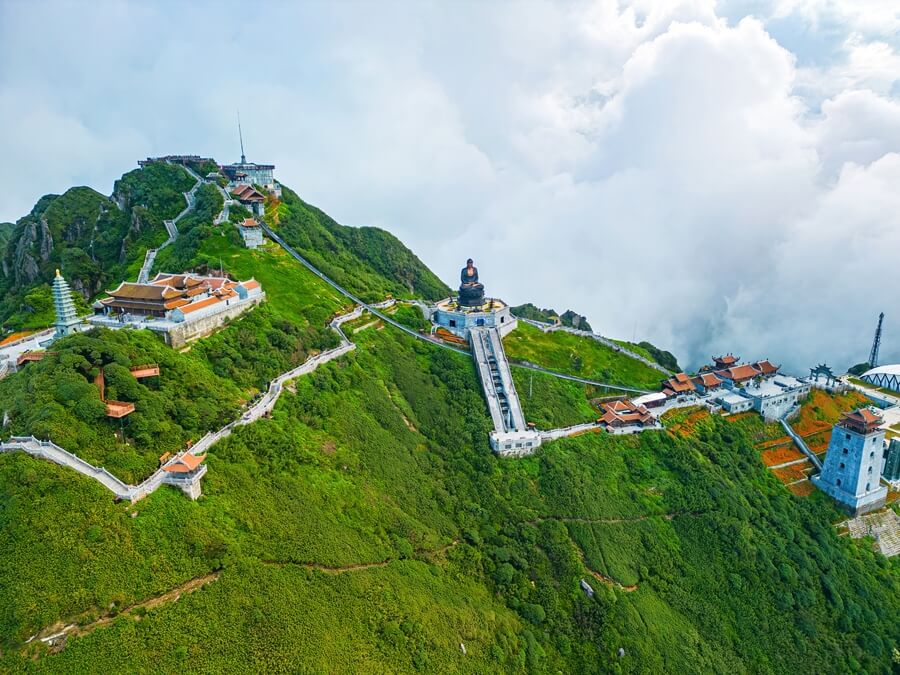
Fansipan mountain peak with clouds, forest, temple, and statue in northern Vietnam
Fansipan, the highest mountain in Vietnam, surrounded by clouds and forest

With approximately three-quarters of its land area covered by mountains, Vietnam’s topography extends from the northern highlands to the Central Highlands, forming high mountain passes, deep valleys.

Most prominent is the Truong Son mountain range, which occupies much of the western part of the country and plays a crucial role in both the ecosystem and the history of human settlement. This mountainous landscape creates ideal conditions for trekking, scenic road trips through the highlands, and in-depth journeys to explore indigenous cultures at a relaxed pace.

See more:

Caves in Vietnam

While caves could be categorized under mountains, Vietnamdrive treats them as a distinct category because Vietnam’s cave systems are exceptional for tourism, geological exploration, and the diverse forest and animal ecosystems found within them.

The most prominent cave complex is located in Phong Nha–Ke Bang National Park in central Vietnam. In addition, many other caves that attract large numbers of visitors can be found in Ha Long Bay, Nguom Ngao in Cao Bang, and numerous smaller caves hidden along the Truong Son mountain range.

Beaches & Islands

With a coastline stretching over 3,000 kilometers, Vietnam offers a rich and diverse marine environment. The landscape ranges from the calm, enclosed waters of Ha Long Bay in the north to the pristine and quiet beaches of Lang Co near Hue. The wide, gently sloping beaches of Da Nang are well suited for families, while the resort-lined coastlines of Nha Trang and Phu Quoc Island provide ideal conditions for longer seaside stays.

Coastal travel in Vietnam is well suited to relaxation, light water activities, and discovering the maritime culture of traditional fishing communities. Scenes of early-morning fishing boats returning to shore capture everyday coastal life and reflect the country’s long-standing relationship with the sea.

See more:

Rivers & Wetlands

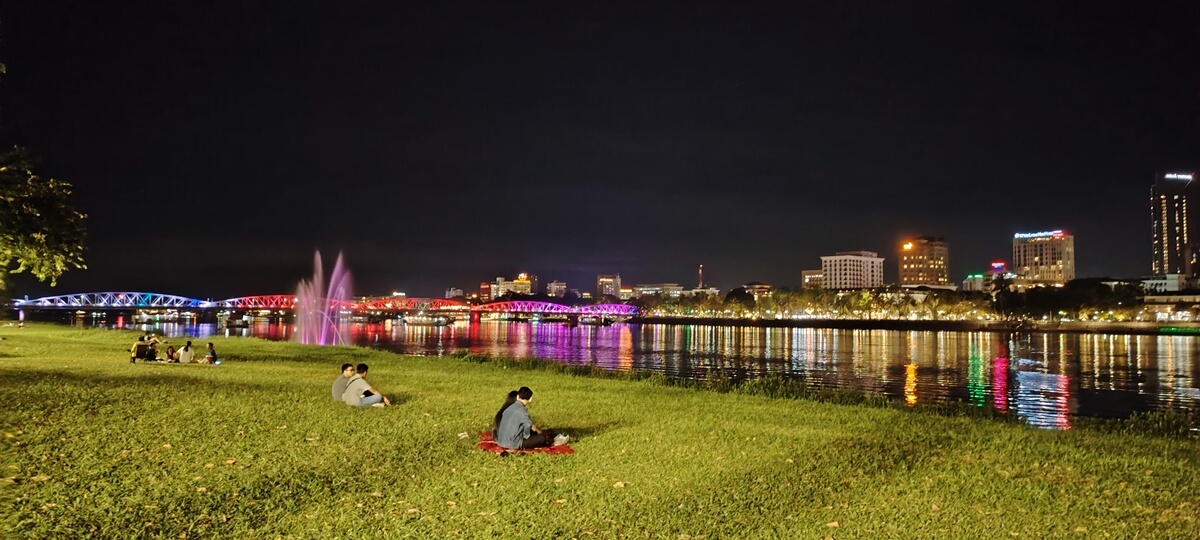
Calm river landscape along the Perfume River at night with people resting by the grassy riverbank in Hue, Vietnam
A calm evening along the Perfume River in Hue, with people resting by the riverbank to enjoy the natural river environment. Photo: Vietnamdrive

Due to its distinctive topography, mountains to the west, the sea to the east, and narrow plains in between, Vietnam has developed a dense network of rivers flowing throughout the country. On average, there is an estimated river every 20 kilometers. Over time, these rivers have deposited fertile alluvial soil, forming vast plains with lush green rice fields or golden landscapes during the harvest season.

Among these regions, the Mekong Delta stands out as the largest and most productive wetland area, shaped by an intricate system of rivers, canals, and seasonal floods.

Beyond the river plains, mountain valleys and terraced rice fields, closely connected to the lives of upland communities, create visually striking landscapes that invite quiet observation and relaxation.

See more:

FAQs about exploring nature in Vietnam

What is the best time of year to explore Vietnam's nature?

The period from March to September is considered the most favorable for exploring Vietnam’s natural landscapes across many regions.

  • March and April are transitional months, with generally pleasant weather and little rain, making them suitable for trekking and visiting mountains, forests, and national parks.
  • From May to September, summer predominates, with many sunny days that are convenient for traveling and exploring islands, caves, plateaus, and mountainous areas.

Because Vietnam stretches along a north–south axis, weather conditions vary by region, so choosing specific destinations according to the season remains very important.

For a broader understanding of travel timing across the country, our guide on the best time to visit Vietnam offers helpful insights.

To gain a relatively complete overview of Vietnam’s typical natural landscapes, you should plan to spend about 24–28 days.

Suggested time allocation includes:

  • Approximately 7 days in Northern Vietnam: Ha Long Bay, Sa Pa, and the northern mountainous regions with terraced rice fields and indigenous culture;
  • Approximately 7 days in Central Vietnam: The Phong Nha–Ke Bang cave system and the coastal stretch from Lang Co and Da Nang to Nha Trang and Mui Ne;
  • Approximately 7 days in Southern Vietnam: Vung Tau, the Mekong Delta, and Phu Quoc Island;
  • 3–5 days in Central Highlands: Plateaus featuring pristine waterfalls, national parks, coffee and rubber plantations, and villages nestled deep in the hills and mountains.

This duration is suitable for travelers who want to explore nature at a relaxed pace while combining landscape experiences with local life.

For international travelers, Vietnamdrive’s team does not recommend exploring untouched natural areas such as deep forests, high mountains, rivers, or remote islands independently.

Instead, it is advisable to use the services of licensed tour companies or local guides to ensure:

  • A well-coordinated itinerary
  • A thorough understanding of terrain and weather conditions
  • Minimized risks during travel and outdoor activities

This approach not only improves safety but also provides a more enriching and effective travel experience.

When you want to ask us in person to learn directly about nature or specific landscapes to plan your holidays in Vietnam, please tell us your thoughts!


 / 

Sign in

Send Message

My favorites