How to Choose a Transport Partner in Vietnam: A Guide for Travel Companies
Many transport suppliers in Vietnam can tell you they have good vehicles, professional drivers, and…

Vietnam, the charming S-shaped strip of land, contains countless wonders waiting for you to discover. From the majestic mountains of the North, the lovely coastline of the Central region to the silt-laden rivers of the South, each region has its own beauty and unique cultural identity.
This map shows the four main regions of Vietnam — North, Central, South, and the Central Highlands — each with its own geography and cultural traits.
> You may also want to explore the full Vietnam map for a broader view of the country’s geography.
Many travel websites group Vietnam into three general areas. However, through years of experience working with international travelers, Vietnamdrive has found it more practical to organize the country into four main tourist regions. This approach better reflects the diversity in geography, climate, culture, and travel logistics — and caters more effectively to different tourist interests.
The four main tourist regions in Vietnam include:
Let’s start your journey by checking out the unique parts of the country!

Northern Vietnam attracts tourists with its majestic natural beauty, mountain ranges, misty valleys, and magnificent terraced fields. Ha Giang is splendid with its rugged mountain passes and vast forests – also the cradle of a culture rich in national identity; with Hanoi, a thousand years of civilization; poetic Sapa; and Ha Long Bay, a natural wonder. Come to the North to discover the remarkable harmony between landscape and people.
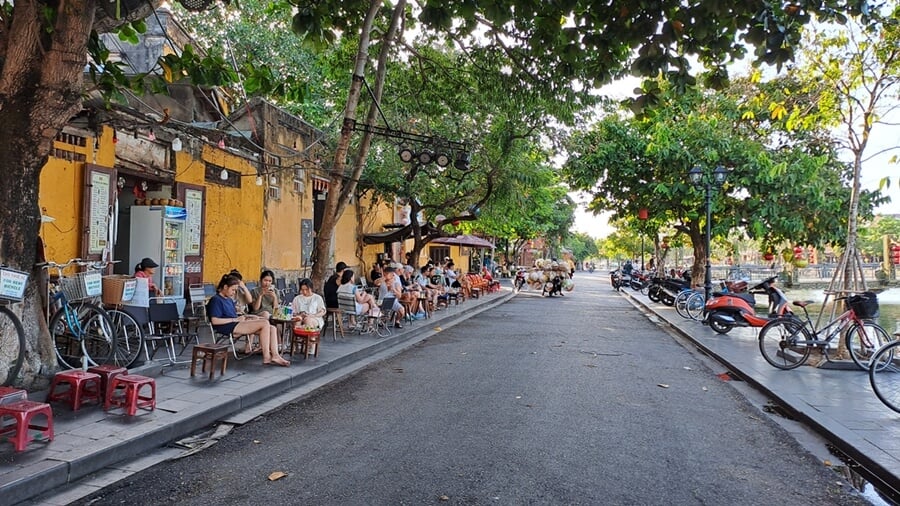


Discovering the Central Highlands of Vietnam, you will have the opportunity to trek through primeval forests and conquer high mountain peaks. Besides, Da Lat, with its thousands of flowers, welcomes you every moment, before you enjoy the delicious taste of coffee right in the capital, Buon Ma Thuot. Don’t miss the opportunity to learn about the gong culture recognized by UNESCO and participate in colorful traditional festivals. The Central Highlands promises unique travel experiences and closeness to nature.
If you love nature and mountain adventures, the North or Central Highlands may be best. If you want to enjoy beaches and cultural heritage, travel to Central Vietnam. For vibrant cities, nightlight, and river life, explore the South. Each region offers something unique depending on your travel style.
| Region | Key Cities | Landscape | Highlights | Best for |
| Northern Vietnam | Hanoi, Ha Long, Ninh Binh, Sapa, Ha Giang, Cao Bang | Mountains, valleys, bays | Culture, nature, terraced fields, incredible bays, local foods | Adventure & culture lovers |
| Central Vietnam | Da Nang, Hoi An, Hue, Phong Nha, Nha Trang, Mui Ne | Beaches, heritage sites | History, beaches, caves, local cuisine | Heritage & coastal travel |
| Southern Vietnam | Ho Chi Minh, Can Tho, Phu Quoc Island, Vung Tau | Rivers, urban areas | Mekong Delta, vibrant cities, local cuisine | City life & river life |
| Central Highlands | Da Lat, Buon Ma Thuot, Pleiku, Kon Tum | Forests, highlands | Coffee, ethnic culture, trekking | Nature & offbeat travel |
Many transport suppliers in Vietnam can tell you they have good vehicles, professional drivers, and…
You generally don’t need to bring toilet paper when traveling to Vietnam. This product it…
Many people understand the Year of the Buffalo as a year of hard work. However,…
Vietnam can be categorized into many regions depending on the purpose of use. However, for tourism purposes, we recommend grouping it into four main areas: North, Central, South, and the Central Highlands.
Vietnam nam used to have 64 provinces and cities. However, since July 1st, 2025, Vietnam has combined many administrative units to form 34 provinces and cities. This major change of the government has created a few provinces with huge area. The result is that from centers of some cities to their borders can be over 100km, example from central of new Quang Tri Province in the Central Vietnam, to its border with Hue City is 128km. Therefore, when planning the trip, you should enclose the correct addresses to make sure you come to the right places.
Vietnam is S-shaped, stretching from North to South. The regions have distinct differences in culture, lifestyle, and weather. The North has a temperate climate, the South is tropical, while the Central has hot summers and rainy winters. The Central Highlands also has differences in mountainous terrain and climate compared to other regions.
Each tourist destination in Vietnam has its own unique characteristics, suitable for different travel preferences. You can choose a place that suits your needs to explore, from landscapes, cuisine, to culture. Wherever you go, each region will bring interesting and new experiences.
Yes, the Central Highlands can be considered part of the Central region because it is located between the North and the South, parallel to the Central coast. However, the Central Highlands has distinct differences in terrain (many high mountains, red basalt soil) and climate, so we consider it a separate region to help you better understand the characteristics of this land, which is much different from the coastal central Vietnam.
The ideal time to travel throughout Vietnam is from late February to early April.
However, the Vietnamese weather in different regions varies greatly:
Many international tourists, especially from Europe and the US, often choose a cross-country travel itinerary to explore many regions and avoid the time-consuming long flights. These trips can last from 2 weeks to 21 days, depending on the schedule and speed of travel. Travelers from regions such as Southeast Asia or Asia often choose one or two areas to explore on a short trip of less than 10 days.
The answer is yes. Each region in Vietnam has its own culinary flavor, reflecting the diversity of land, climate, and local culture. The North is famous for its light dishes, the Central region has a strong spicy flavor, while the South has sweeter dishes. Vietnamese food has a new taste in every place you go.
Although Vietnamese is the official language, each area has distinct dialects and tones. Besides, the accents of the North, Central, and South can be difficult for beginners. In addition, in mountainous areas such as the Northwest and Central Highlands, there are other ethnic minority languages, creating linguistic diversity in Vietnam.
> You can read the post about the Vietnamese language to learn more about it.
Most regions in Vietnam are safe for tourists, even when traveling alone. Major cities, such as Hanoi, Ho Chi Minh City, Da Nang, and Hue, all have good infrastructure and stable security. However, tourists should avoid deserted or dark areas at night. When traveling to remote areas, you should pay attention to the roads, weak mobile signals, and limited medical facilities. Also, note that rainy and stormy weather can affect some locations, typically when traveling to islands, bays, or beaches.
Be the first person to receive our info and travel tips once a month in your inbox.
©2009-2026 Vietnamdrive
Vietnamdrive doesn't sell or organize tours; it provides suggestions and connects tourists with local services.
Language: English | Tiếng Việt | 日本語