Vietnamese Drinks

Vietnam has a wide variety of drinks shaped by weather, regional identity, and creative interpretations, giving each sip a distinctive cultural touch.

Drinks are an indispensable part of Vietnamese life and cuisine. They are not only a source of refreshment but also an expression of local culture, from egg coffee in Hanoi, to salted coffee in Hue, where the central region meets the sea, to iced milk coffee in Saigon, where the climate is hot year-round.

When traveling in Vietnam, international visitors can find everything from fresh sugarcane juice on the sidewalk to carefully brewed lotus tea in upscale restaurants. Somewhere along the bustling streets, you may hear lively shouts of “Cheers!” as young people raise their golden glasses of beer.

Step out of your hotel and join Vietnamdrive to explore the diverse world of drinks in Vietnam.

1. Non-alcoholic drinks

Coffee:

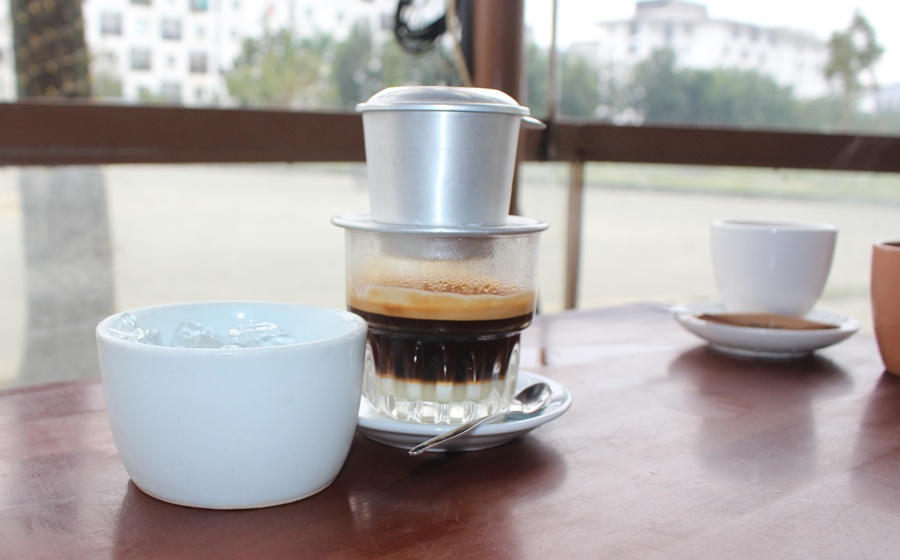
Vietnamese filter coffee with condensed milk
Vietnamese filter coffee with condensed milk combines strong robusta flavor and creamy sweetness, making it one of the most iconic drinks in Vietnam. ©Vietnamdrive

Vietnamese coffee is not only a drink that helps you stay awake but also a cultural symbol of meeting and chatting, from small roadside stalls to modern cafés. Brewed with a metal filter, robusta coffee has a strong, bitter flavor and is often mixed with condensed milk to create the famous iced milk coffee. Each region has unique variations, such as egg coffee in Hanoi or salted coffee in Hue. Whether on the sidewalk or in a luxury restaurant, you can easily find a cup of Vietnamese coffee, an experience worth trying on your journey to explore Vietnam.

Tea:
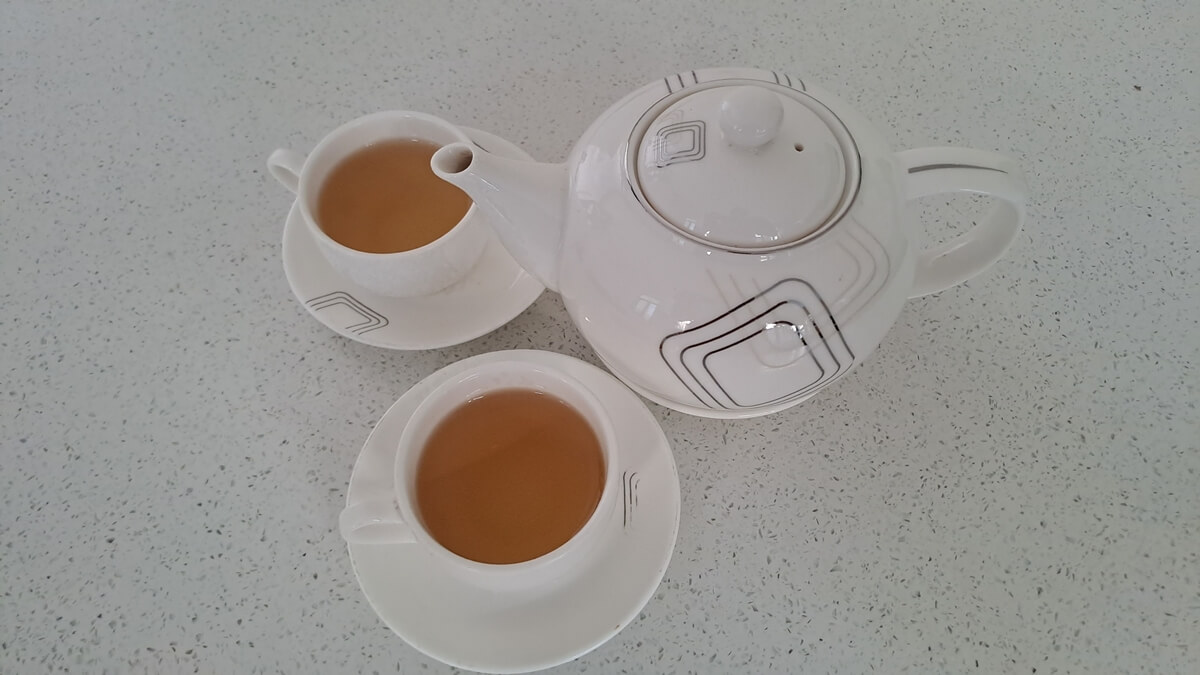
Vietnamese tea pot with two cups of hot yellow tea
Vietnamese tea is often served in a simple pot with hot golden tea.

Tea is one of the oldest and most traditional drinks of the Vietnamese people, enjoyed everywhere from simple street shops to refined tea-drinking spaces. Green tea is the most common type, with a slightly bitter taste and a golden color, often served as a complimentary drink in many cafés. In addition, you can find premium teas such as lotus tea or herbal teas with gentle aromas and more sophisticated brewing methods. In the North, people prefer hot tea, while in Ho Chi Minh City, iced tea is a very popular way to cool down.

Fruit juice & smoothies:
With a tropical climate, Vietnam has an abundant supply of fruit all year round, with different flavors appearing each season. Because of this, fruit juices and smoothies have become popular cooling drinks, easily found from sidewalk stalls to cafés and restaurants. Prices typically range from 15,000–30,000 VND at small shops and 40,000–70,000 VND at modern establishments. The hot and humid South has a greater variety of fruits, but no matter where you are, visitors can easily enjoy a fresh and flavorful glass of juice.

Sugarcane juice & coconut water:
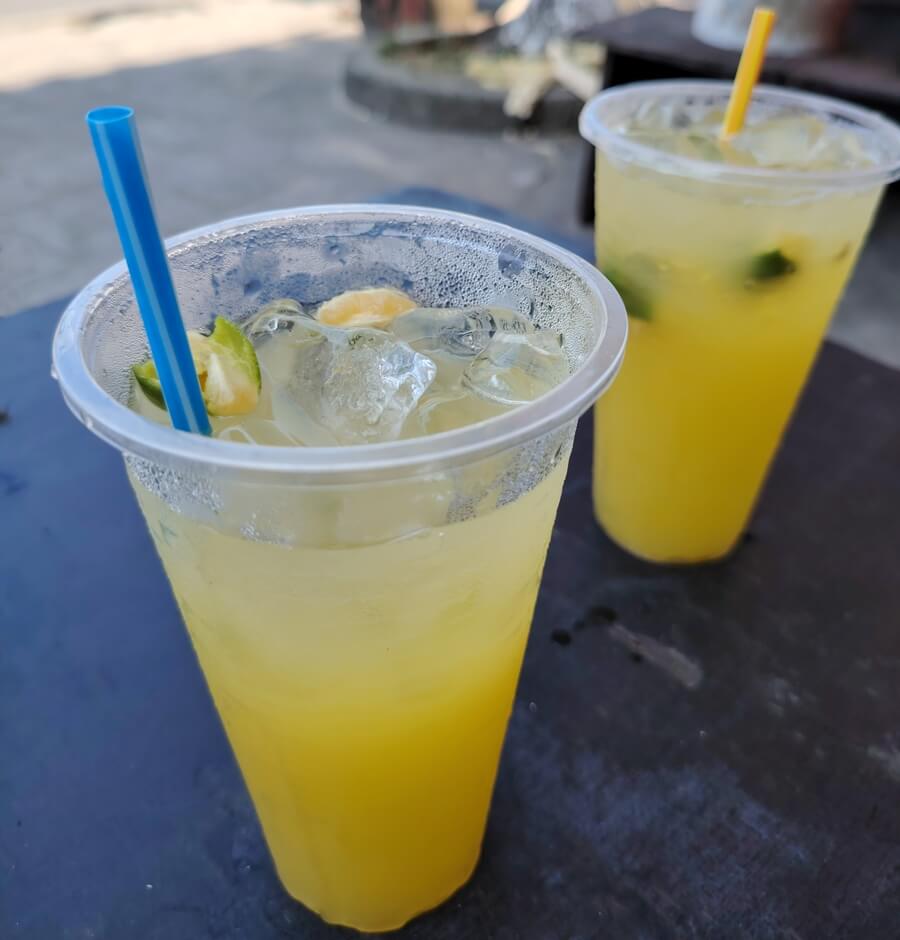
Fresh Vietnamese sugarcane juice served with ice
Vietnamese sugarcane juice (nước mía) is a popular street drink known for its refreshing taste.

These popular street drinks are available on most streets in Vietnam. Both are favored for their refreshing qualities in hot and humid weather, especially in the South and Central regions. Sugarcane juice has a mildly sweet taste, usually pressed fresh and served with ice, while fresh coconuts are chopped open on the spot or poured into takeaway cups. Thanks to their affordability and accessibility, they have become familiar choices for both locals and tourists wanting to experience local drinks.

Traditional herbal drinks:
This group of drinks is closely tied to Vietnamese family life, as many people make them at home using natural ingredients for cooling and health benefits. They are not commonly found in regular drink shops, but visitors can still find them in some traditional eateries or restaurants that aim to showcase local culture. Each type has a mild, pleasant flavor and is often enjoyed to cool the body on hot days.

Iced yogurt:
This drink is loved by many people, from children to adults, thanks to the harmonious combination of yogurt’s mild sourness, the sweetness of sugar, and the richness of milk, sometimes with added fruit flavors depending on preference. In most cafés in Vietnam, you can easily find the original version, simply yogurt and ice, or a modern variation with different toppings and flavors, creating a refreshing and appealing drink.

2. Alcoholic beverages

Beer:

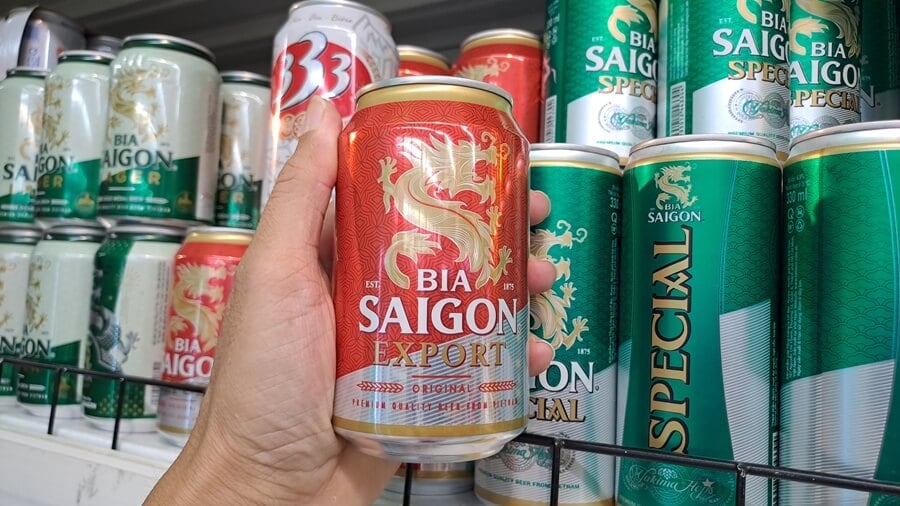
Saigon beer can standing out against the green and red cans
Saigon beer is one of the most widely consumed alcoholic drinks in Vietnam.

Beer is the most popular alcoholic beverage in Vietnam, with consumption among the highest in the region (Vietnam consumed 4,400 million liters in 2024). Beer drinking culture is associated with after-work gatherings, wedding parties, and holidays, creating a lively atmosphere filled with familiar “cheers.” Visitors can easily experience this bustling scene at Ta Hien Beer Street in Hanoi or Pham Ngu Lao Street in Ho Chi Minh City. In Hanoi, traditional draft beer shops still exist, while bottled and canned beers from various domestic brands are widely available in both urban and rural areas.

Traditional rice wine:
Rice wine is a long-standing Vietnamese alcoholic drink, originating from wet-rice culture and distilled from white rice or sticky rice with natural yeast. It typically has a high alcohol content and a strong flavor, with sticky rice wine being more fragrant and easier to drink. Each region has its own variation, such as rice wine in the South, the famous Bau Da wine from Binh Dinh, or can wine in the Central Highlands, which is consumed in a traditional communal style. Today, tourists can find rice wine at festivals, specialty restaurants, or when visiting rural areas.

Dalat wine & grape wine:
Dalat wine is the most popular wine in Vietnam and is widely available in restaurants serving tourists. With a light alcohol content of about 11–14% ABV and an easy-to-drink taste, it is a familiar choice for dinners and formal occasions. In addition to bottled wine, grape-growing regions in Ninh Thuan and Binh Thuan also produce naturally fermented grape wine with a rich sweetness. This type of wine can be enjoyed straight or diluted as a soft drink, making it a distinctive local beverage from this sunny, sandy region.

Modern Vietnamese cocktails:
This category has been growing in popularity in major cities such as Hanoi, Da Nang, and Ho Chi Minh City. Although not as common as beer or rice wine, many high-end bars and restaurants have created cocktails with a Vietnamese twist by incorporating local ingredients such as lemongrass, ginger, passion fruit, or sticky rice wine. The blend of modern mixology techniques with Asian flavors makes Vietnamese cocktails an appealing choice for travelers who want to explore alcoholic beverages in a fresh and creative way.

3. Top Popular Drinks in Vietnam for Tourists to Try

When traveling in Vietnam, you will encounter many attractive drinks ranging from green, red, and yellow hues to a variety of sour, sweet, and aromatic flavors, found everywhere from street-side refreshment stalls to restaurant menus. Below is a group of the most popular drinks, clearly reflecting the culinary style and culture of this tropical country.
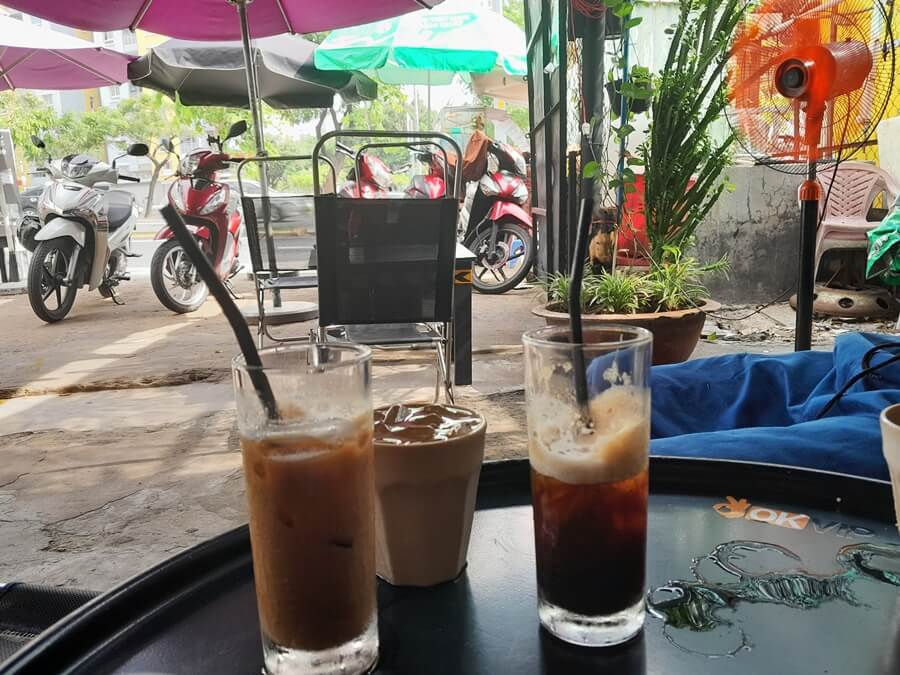
Two glasses of Saigon iced coffee on a table overlooking motorbikes parked outside
Saigon iced coffee, served in both black (đen đá) and milk (nâu đá) versions, is one of the most iconic and popular drinks in Vietnam.

If you want to see a detailed list with descriptions of each drink, please see Vietnamdrive’s in-depth article here: Popular Drinks in Vietnam.

The section below is only a summary to help you visualize the main groups of drinks before exploring further.

A brief list of featured drinks:

4. Regional Drinks in Vietnam

Hue salted coffee served in a glass with creamy foam
Salted coffee (cà phê muối) is a famous specialty of Hue in Central Vietnam.
With a geographical length of more than 2,000 km from north to south, Vietnam has distinct differences in climate and soil. This creates unique drink styles in each region, which often lose their original flavor when enjoyed elsewhere. In this section, Vietnamdrive selects the most typical examples from prominent cities and regions to highlight the characteristics of Vietnamese drinks.

Northern Drinks

Northern drinks often have a light, subtle flavor, reflecting the cooler climate compared to other regions. Pickled sour plum juice, with the gentle tartness of Hanoi sour plums, and sidewalk lemon tea with a mild scent of fresh lemon are two familiar beverages of the capital.

The most iconic, however, is egg coffee, a unique drink that most tourists want to try when visiting Hanoi. Many well-known figures have enjoyed and praised it, including Apple CEO Tim Cook during his visit to Hanoi in April 2024, and Australian Foreign Minister Penny Wong in 2023.

The Central region offers many beverages with deep cultural significance, especially in the former imperial capital of Hue. Lotus tea, carrying the refined essence of the Nguyen Dynasty, and salt coffee, a modern creation that quickly became a source of local pride, are two standout options.

In Hoi An, Mot herbal tea impresses visitors with its refreshing taste and gentle herbal aroma.

Farther south in Ninh Thuan and Binh Thuan, Vietnam’s well-known grape-growing regions, travelers can find grape wine and soft drinks made from fresh grapes.

The Central Highlands, with its mountainous forests and abundant grains, has created drinks deeply rooted in local identity. The most notable is can wine, known for the aroma of freshly fermented sticky rice and the gentle sweetness of corn. It is often enjoyed beside a fire in the cozy space of a stilt house, an experience that can charm travelers without them even realizing it.

In addition, herbal teas made from forest leaves and the light flavor of artichoke, a famous specialty of Da Lat, offer a refreshing sensation, helping to dispel the distinctive heat and humidity of the highlands.

With hot weather year-round, the South is known for a wide range of refreshing drinks. On sidewalks or in rural areas, it is easy to spot carts selling cool sugarcane juice or fresh coconuts chopped open on the spot. Saigon iced coffee, strong yet refreshing with plenty of ice, is always a memorable flavor for tourists visiting bustling Ho Chi Minh City.

5. How to Order Drinks in Vietnam (international visitors may need to use)

A type of drink in Vietnam often has many different variations. For example, coffee has cà phê đen (black coffee), cà phê sữa (milk coffee – also called nâu), cà phê nóng (hot coffee), and cà phê đá (iced coffee); tea has trà gừng nóng (hot ginger tea) or trà gừng lạnh (cold ginger tea). Therefore, to avoid confusion when ordering, especially in places where there are no staff to guide you in detail, you can refer to the following notes.

How to classify drinks when ordering:

  • Hot / cold (Nóng / lạnh): drinks served hot or with ice.
  • Level of ice: little ice or a lot of ice (ít đá or nhiều đá).
  • Sweetness: with sugar (có đường) or no sugar (không đường); little sugar (ít đường) or a lot of sugar (nhiều đường).
  • Type of milk: condensed milk (sữa đặc) or fresh milk (sữa tươi).
    Note: Vietnamese coffee defaults to condensed milk when you order “milk coffee” (cà phê sữa).

How to order popular types of coffee:

  • Đen đá (black ice): black coffee with sugar, served with ice.
  • Nâu đá (brown ice): iced milk coffee (coffee + condensed milk + ice).
  • Đen nóng (black hot): black coffee with sugar, served hot (no ice).
  • Bạc xỉu: more condensed milk and very little coffee; sweeter and lighter than regular iced milk coffee (cà phê sữa đá).

Common English words understood in Vietnamese restaurants:

Menu, order, and bill are widely understood in cafés and restaurants serving tourists.
If you want to compliment a drink or any dish of Vietnamese food, you can use simple Vietnamese words like Ngon (delicious) or Tuyệt (great).

Common mistakes tourists make when ordering drinks, and how to say it correctly:

1. “Sugarcane juice with lime” – Wrong

  • In Vietnam, Sugarcane juice (nước mía) is usually mixed with tắc (kumquat), not lime.
  • Correct: Sugarcane juice with kumquat (nước mía tắc).

2. “Trà chanh không đường” (lemon tea, no sugar) – misleading

  • The seller may still serve sweet trà chanh, because the powdered mix already contains sugar.
  • Better to ask:Bạn có trà chanh không ngọt không?” to confirm its taste.
  • Correct: Trà chanh không ngọt (lemon tea, no sweet).

3. “Hot tea” – often brings Lipton

At modern cafés, ordering hot tea usually results in Lipton nóng (hot Lipton tea), as it is the default.

To drink Vietnamese tea, ask for:

  • Trà xanh nóng (hot green tea)
  • Trà hoa nhài nóng (hot jasmine tea – common in Vietnam)
  • Or clearly say: “Cho tôi bình trà Việt nóng.” (May I have a hot Vietnamese tea pot?)
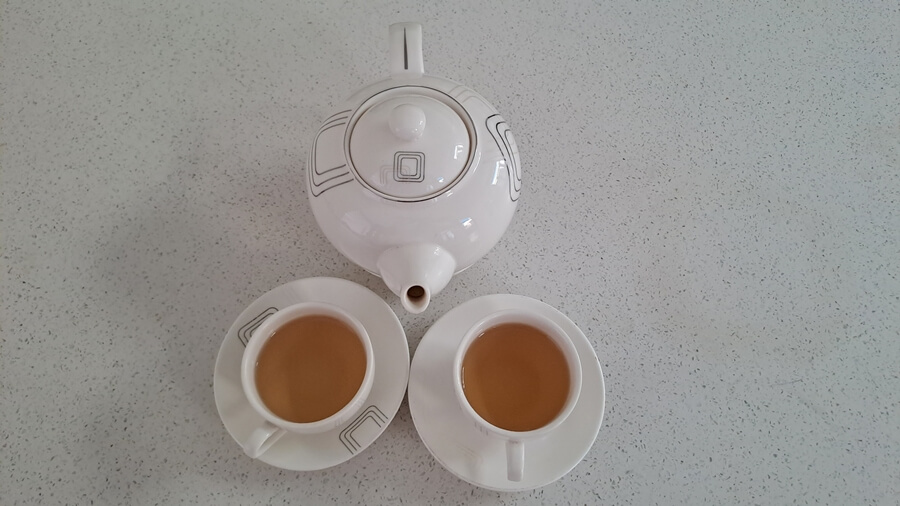
Vietnamese hot tea served in a pot with cups
A pot of Vietnamese hot tea (trà Việt nóng), which is different from Lipton tea commonly served when ordering “hot tea” at modern cafés.

4. Wrong way to order when wanting Bạc xỉu

  • Saying “coffee with lots of milk” might get you cà phê sữa đá (milk coffee), not bạc xỉu.
  • Correct: Order bạc xỉu — a Saigon-style drink with little coffee and lots of milk, often served with ice. It’s one of those Vietnamese drinks, like bạc xỉu, that doesn’t have an exact translation.

Key Information Summary for Visitors

This table provides quick translations to help visitors order drinks and choose from their various versions.
Vietnamese English
NóngHot
LạnhCold
Ít đáLittle ice
Nhiều đáA lot of ice
Ít đườngLittle sugar
Nhiều đườngA lot of sugar
Không đườngNo sugar / Unsweetened
Sữa đặcCondensed milk
Sữa tươiFresh milk
Cà phê đenBlack coffee
Cà phê nâuBrown coffee
Đen đáBlack coffee with ice
Nâu đáIced milk coffee
Bạc xỉuBac xiu (little coffee, lots of milk)

6. Drink Prices in Vietnam

Below is an estimated price range for common beverages in Vietnam, based on real experiences and market observation. These prices are for reference to help you plan your budget.
Type of Drink Local Shops (VND) Luxury Cafés/Restaurants (VND)
Coffee15,000 – 25,00040,000 – 60,000
Sugarcane juice10,00020,000
Vietnamese tea (pot)30,00050,000 – 80,000
Beer (can)10,000 – 20,00030,000 – 50,000
Smoothies30,00050,000 – 70,000
Yogurt25,00040,000
CocktailNot available60,000 – 150,000
Dalat wine (bottle)200,000 – 300,000500,000 – 1,000,000

Note: Prices in cafés, eateries, and restaurants are generally higher than in supermarkets or convenience stores due to service fees.

Example: A bottle of Da Lat wine costs around 150,000 VND in supermarkets or local shops, but it is significantly more expensive when served in restaurants.

7. Safety Tips When Drinking Beverages in Vietnam

Tips when using ice
Most ice in small shops is made from regular filtered water, similar to tap water. If you have a sensitive digestive system, be cautious when consuming iced drinks. A helpful tip is to buy a bottle of frozen water and use it in place of ice when needed.

Do not drink alcohol of unknown origin
Avoid trying homemade or unlabeled alcohol, as the risk of contamination or poisoning is fairly high. Tourists should only drink alcohol at reputable restaurants or shops.

Choose a clean sugarcane juice stall
Sugarcane juice is extremely popular, but not all vendors ensure proper hygiene. The sugarcane may not be washed thoroughly, or the ice used may not be clean. For safer options, choose a stall with a clean juicer or buy sugarcane juice in supermarkets or commercial areas.

Be aware of fruit allergies
Some people may be allergic to tropical fruits such as durian, avocado, or star apple. If you have never tried a particular fruit before, start with a small amount to avoid potential allergic reactions.

Choose reputable bottled water brands
Prioritize well-known brands such as Aquafina or Dasani, and check that the bottle cap is tightly sealed. If you come across bottled water with packaging, color, or design similar to major brands but with unclear origins, be cautious.

Finish cold beverages early
When drinking iced beverages, consume them before the ice melts completely. As the ice melts in hot weather, the drink’s temperature may rise to a level that encourages bacterial growth.

Do not add ice to boiling water
Avoid dropping individual ice cubes into boiling water that is cooling down. During the warm stage, the mixture can create an ideal environment for bacteria to multiply rapidly.

8. Seasonal & Occasional Drink Suggestions

 Vietnam experiences seasonal climate changes and has many special holidays, so certain drinks are more suitable depending on the time of year.

  • Hot season: Sugarcane juice, coconut water, iced tea, and artichoke tea are popular cooling options. Note that coconut water is not usually consumed in the evening because it may cause an upset stomach.
  • Cold season: In the North, egg coffee is a must-try when the weather turns cold. In addition, hot cocoa or ginger tea are safe and easy-to-find options at most shops across the country.
  • Tet: Sticky rice wine, lotus tea, apricot juice, and ginger jam are familiar drinks and snacks enjoyed during Vietnamese Tet.
  • Weddings: Wedding parties often serve beer or wine from a specific brand. For guests who do not drink alcohol, canned soft drinks are commonly provided.
  • Birthday parties: At young people’s birthday celebrations, popular drinks usually include soft drinks, milk tea, or other light refreshments.

Frequently Asked Questions About Drinks in Vietnam

What drinks should foreign visitors try in Vietnam?

There are many interesting drinks to choose from, but if you’re not sure where to start, try Vietnamese coffee (available in many variations), ginger tea (great for those who don’t drink coffee), milk tea, a glass of fresh fruit juice, or iced yogurt.
Because of the hot climate, many drinks in Vietnam tend to be quite sweet and use a lot of sugar or condensed milk. However, you can always request less sugar, no sugar, or less condensed milk.
Yes, many fruit juices are good options for people on a diet. However, you should specify that you want natural juice without added sugar to avoid sweetened versions.
Yes. Milk tea is currently one of the most popular drinks, loved for its wide variety of flavors and affordable prices for young people. Almost all milk tea is served with ice, making it an effective cooling drink in the tropical climate. You can easily find famous brands such as Koi and Royal Tea, as well as countless sidewalk and takeaway shops.

You’ve now explored the essential drinks of Vietnam. If you’d like to continue discovering useful travel insights, our travel guides in Vietnam offers everything you need for planning your journey.

Still have questions about Vietnamese drinks?
The Vietnamdrive team is happy to help you learn more. Just let us know!

Related Posts


 / 

Sign in

Send Message

My favorites