
“This dish is missing something,” that’s a familiar saying among Vietnamese people when a dish happens to lack a bit of spice or doesn’t have the right balance of salty, sweet, sour, spicy, and bitter tastes.
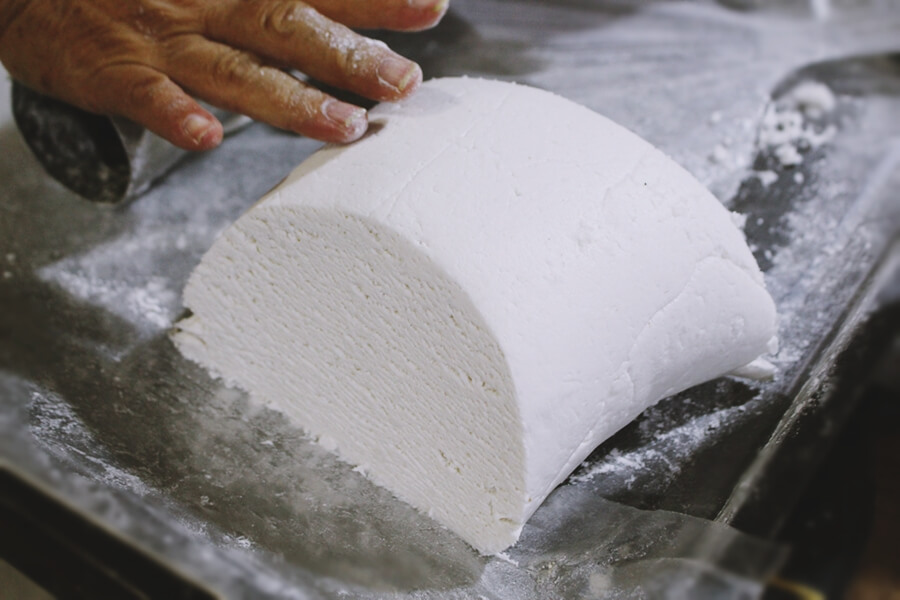
Vietnamese people believe that a dish is truly delicious only when its flavors are balanced and harmonious. Therefore, each dish usually includes a variety of spices and herbs, decorative garnishes around the plate, and a bowl of dipping sauce or fish sauce to accompany it, sometimes with added red chili or fresh garlic so those who prefer a spicier, stronger taste can adjust it themselves.
A dish is therefore not only for the taste buds but also for the senses of sight, smell, hearing, and touch: the eyes take in the colors, the nose detects the aroma, the ears hear the crunch, and the tongue fully experiences the flavor.
From the stage of selecting ingredients, where the chef must carefully choose fresh, high-quality produce and preserve its natural crispness, to the stage of preparation, which must achieve the right balance of flavor and beautiful presentation, every detail demonstrates the meticulousness and sophistication of Vietnamese culinary culture, from cooking to enjoyment.
Explore related topics:
Vietnamese cuisine is not only rich in flavor and tradition but also diverse across regions. Each region in Vietnam has its own distinctive culinary identity, shaped by differences in climate, weather, and geography. As a result, the ingredients and seasonings in each area are highly diverse, giving rise to unique cooking styles. For example, spring rolls in the North are often fried, while in other regions, fresh versions are preferred.
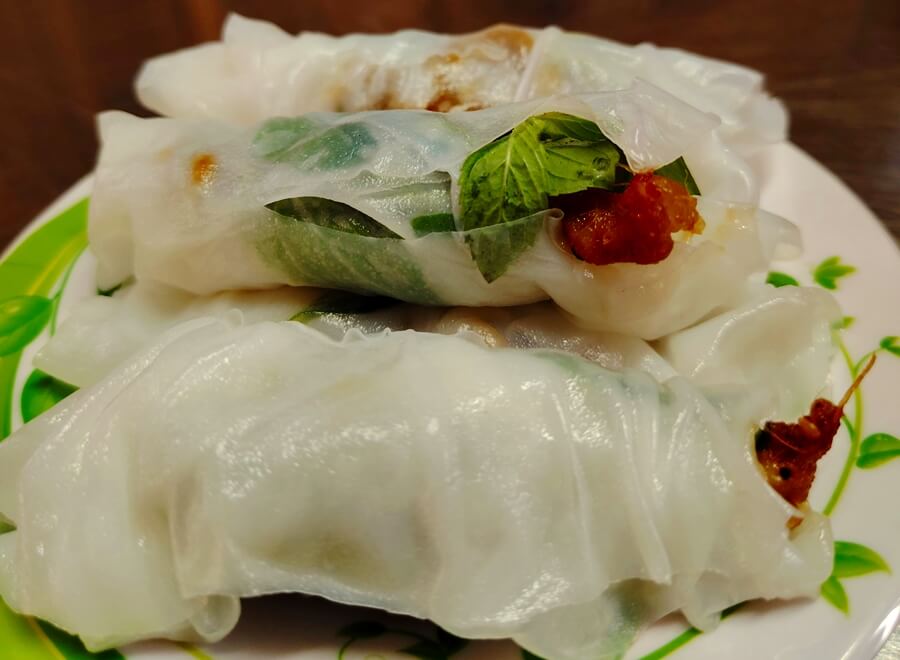
North: Dishes here typically have mild flavors, emphasizing the natural taste of ingredients and the subtle use of spices. Northern pho stands out with its clear, light broth and the characteristic aroma of star anise. La Vong fish cakes capture the fresh taste of fish combined with strong shrimp paste, creating a distinctive and harmonious flavor.
Central: Central Vietnamese cuisine is known for its bold, spicy flavors, especially those inspired by the sea. With its coastal location, this region’s dishes often feature fresh seafood. A hearty bowl of Hue beef noodle soup, enhanced with a touch of shrimp paste, or Quang noodles with shrimp and the rich taste of the ocean are unforgettable specialties.
Central Highlands: The dishes here are deeply influenced by the mountains and forests, featuring mixed wild vegetables, grilled stream fish, and hearty vegetable hot pots. Central Highlands cuisine is often simple yet rich in the natural flavors of the land and sky.
South: With its year-round warm climate, Southern cuisine tends to have a sweeter flavor profile. Many dishes include a bit of sugar or coconut water to enhance the taste. Southern pho, unlike its Northern counterpart, often has a sweeter broth, while hu tieu stands out for its rich, flavorful soup. Notably, Southern banh xeo (savory pancakes) are usually larger, two to three times the size of those in Central Vietnam, reflecting the openness and generosity of the people here.
Explore related topics:
Vietnamese cuisine offers countless delicious dishes that you will remember forever after just one bite, making it hard to put down your chopsticks. Here are some of the most iconic dishes you should try when visiting Vietnam:
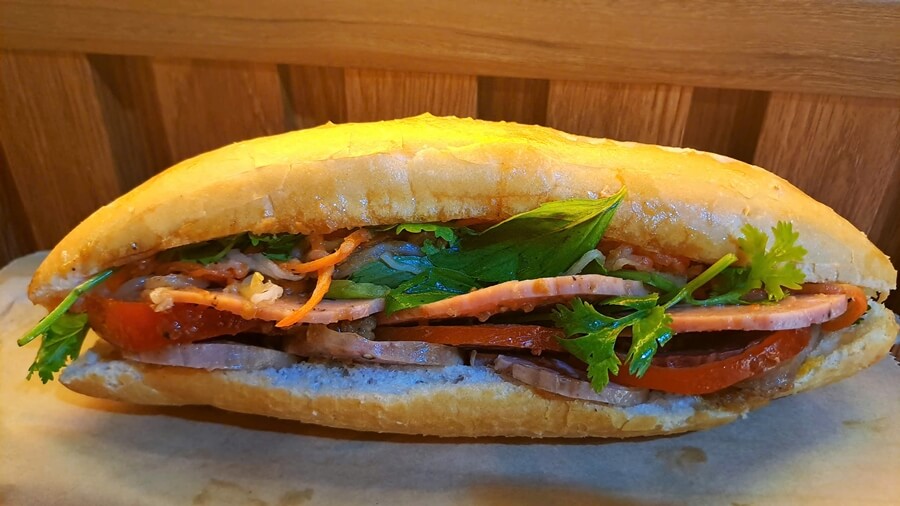
- Pho – The pride of Vietnamese cuisine, with a sweet broth made from stewed bones, the aroma of cinnamon and star anise, soft noodles, and thin slices of meat, enough to warm any diner’s heart.
- Banh Mi – A symbol of East–West fusion, crispy on the outside and rich on the inside with pâté, meat, herbs, and flavorful sauce.
- Bun Bo Hue – A signature dish of Central Vietnam, spicy and hearty, combining beef, crab cakes, and the distinctive aroma of lemongrass.
- Com Tam – A popular Southern dish, featuring grilled ribs, fried eggs, sausages, and pickles, reflecting the generosity of the people of Saigon.
- Mi Quang – The iconic dish of Da Nang and Quang Nam, slightly dry but never dry-tasting, fragrant with turmeric, topped with shrimp, meat, eggs, and fresh vegetables.
- Banh Xeo Nam Bo – Crispy and golden, served rolled with fresh vegetables and dipped in sweet-and-sour fish sauce, both rustic and unforgettable.
Perhaps one day you’ll discover a dish on a sidewalk or in a small, nameless restaurant that makes you forget your way home, share it with us so we can add it to this list!
Explore related topic:
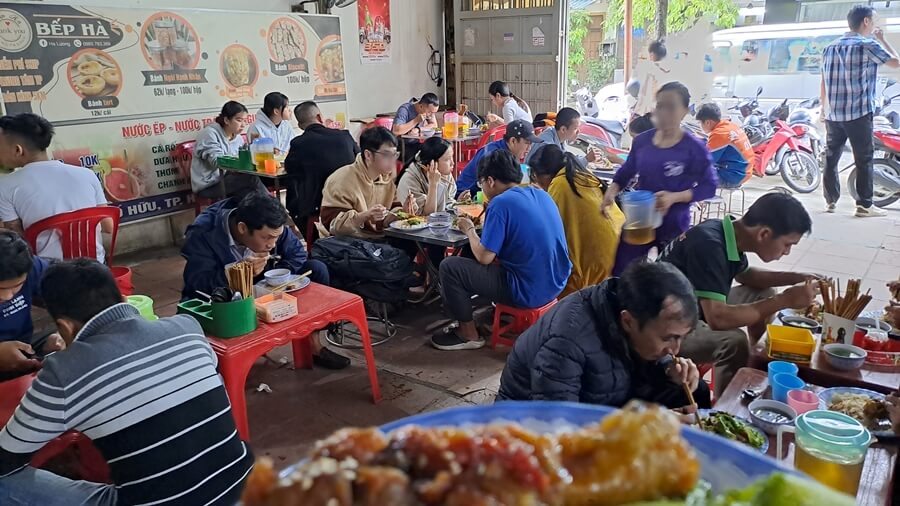
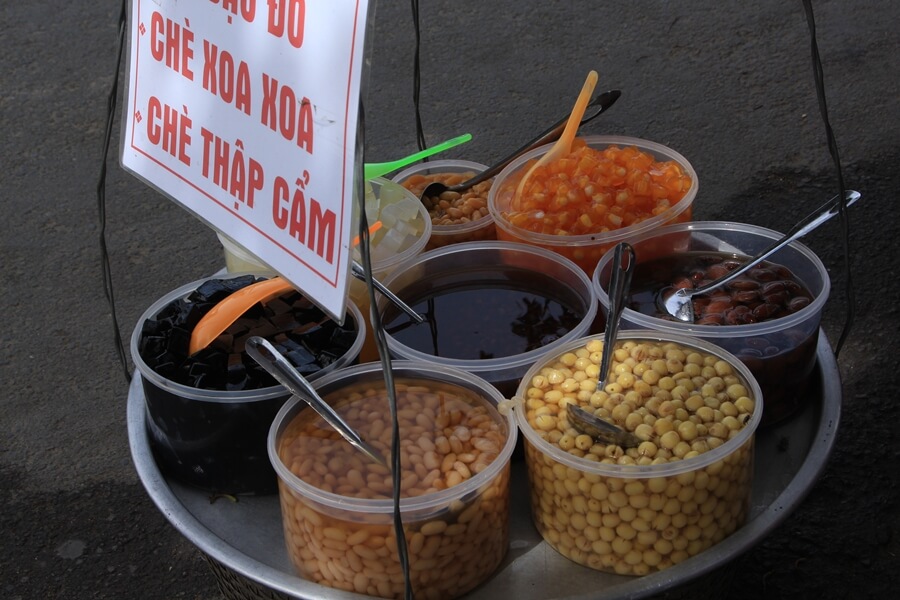
In addition to its signature savory dishes, Vietnam also offers countless delicious sweet treats, such as chè, flan, or yogurt. These Vietnamese desserts are tasty and easy to enjoy, though some people consider them less “healthy.”
As a result, fresh fruits are often the more popular choice. Vietnam is a land of tropical fruits, from golden mangoes and sweet pineapples to juicy watermelons and fragrant bananas. Each fruit has its own natural sweetness, making it the perfect way to end a Vietnamese meal.