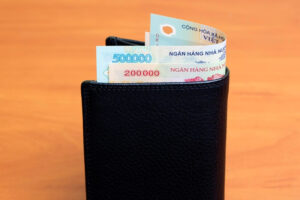
Choosing the right currency to bring to Vietnam can make your trip smoother and more convenient. While Vietnam has its own official currency, not all foreign currencies are equally practical for travelers. Knowing what to bring before you arrive helps you avoid unnecessary exchanges, confusion, and payment issues during your stay.
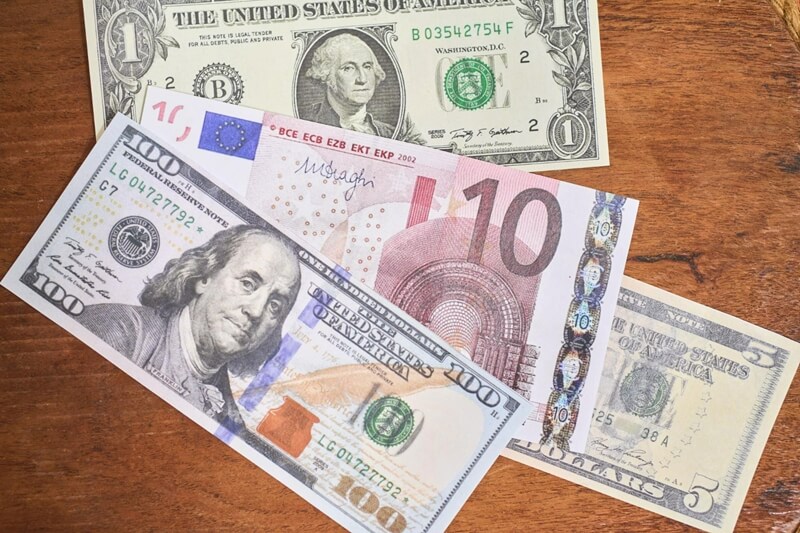
This guide focuses on which currencies are best to bring to Vietnam, not how to use money once you are there.
The Short Answer
The best currencies to take to Vietnam are Vietnamese Dong (VND) and US dollars (USD).
These two options offer the highest level of convenience and flexibility for international travelers.
This recommendation reflects common payment practices across Vietnam and frequent questions from travelers planning their first visit.
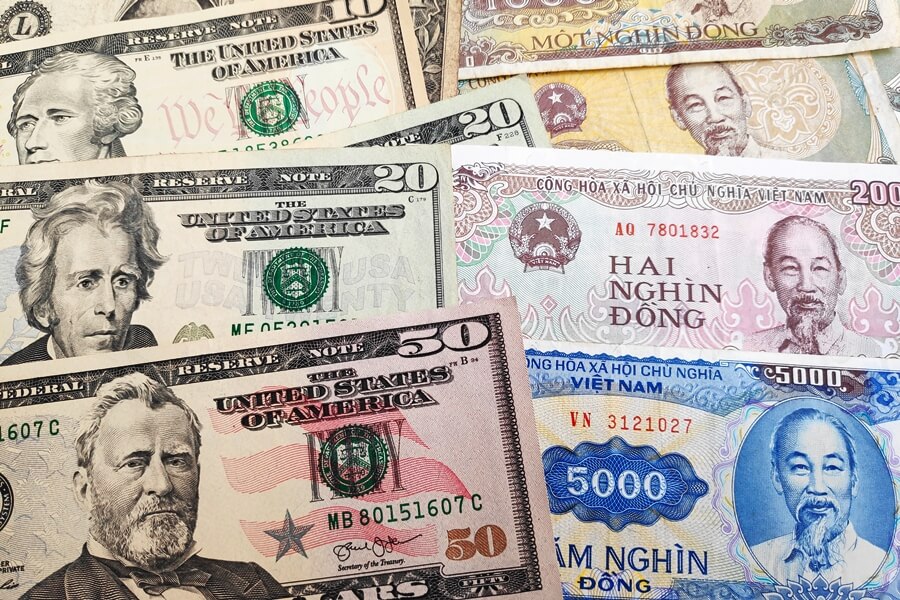
Why Vietnamese Dong (VND) Is the Most Practical Choice
Vietnamese Dong (VND) is the official currency used for all everyday transactions in Vietnam. Most local restaurants, shops, transportation services, and attractions expect payment in VND.
Having some Vietnamese Dong allows you to:
- Pay easily without relying on currency exchange
- Avoid confusion or delays when making small purchases
- Navigate daily expenses more smoothly, especially outside tourist areas
For travelers who prefer to arrive fully prepared, carrying some VND is the most straightforward option.
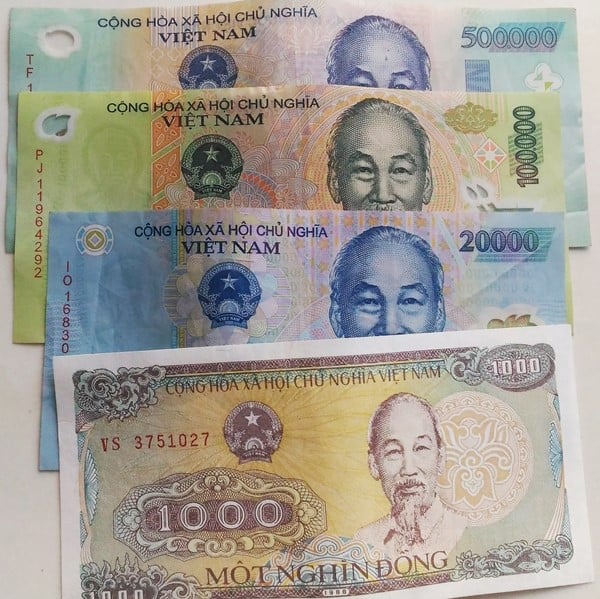
Why USD Is the Most Convenient Foreign Currency
Among foreign currencies, US dollars (USD) are the easiest and most practical to bring to Vietnam. Travelers using other major currencies, such as the euro or British pound, can still exchange them, although the process may be slightly less flexible in some locations.
USD is widely accepted for currency exchange at:
- Banks
- Licensed money exchange shops
- Hotels and airports
Because USD is commonly handled, it offers greater flexibility than most other foreign currencies. Many travelers choose to bring USD and exchange it into Vietnamese Dong after arriving.
Should You Bring EUR, GBP, or Other Currencies?
Major currencies such as the euro (EUR) or British pound (GBP) can be exchanged in Vietnam, but they are generally less convenient than USD.
For travelers coming from Europe or the UK, bringing euros or pounds is still workable, especially in major cities, even though USD tends to offer broader exchange convenience.
Compared to USD:
- Exchange availability may be more limited
- Rates may be less favorable
- Options may be restricted outside major cities
If possible, travelers using these currencies may consider converting a portion of their money to USD before traveling, as USD is easier to exchange into Vietnamese Dong once in Vietnam.
Cash vs Cards: What Should You Bring?
When planning your trip, it’s best to bring a combination of cash and payment cards rather than relying on just one option.
- Cash is essential for everyday expenses and small transactions
- Debit or credit cards are useful as a backup and for larger purchases
Relying entirely on cards or entirely on foreign cash can lead to inconvenience. A balanced approach provides the most flexibility.
What You Should Not Rely On
Some payment methods are not recommended as primary options in Vietnam:
- Traveler’s cheques, which are rarely used and difficult to cash
- Less common foreign currencies, which may be hard to exchange
- Cards alone, especially when traveling beyond major cities
These options can cause delays or limit your ability to pay when needed.
Final Recommendation
For most travelers, the best approach is to bring:
- Vietnamese Dong (VND) for daily spending
- US dollars (USD) as a flexible foreign currency
- An international debit or credit card as backup
This combination offers the highest level of convenience and minimizes potential payment issues during your trip.
For a broader overview of how money works in Vietnam, including payment methods and budgeting, see our Money in Vietnam: A Practical Guide for Travelers.