
Vietnamese Culture

Open the different sides of Vietnamese culture to understand daily life and the people. It’s time to connect you with the most beautiful local aspects you can’t find in your home country.

Vietnamese culture has been formed and developed for more than 4,000 years, along with the growth of the country and its people. Originating from a rice-based civilization, the Vietnamese have nurtured a strong sense of community and a lifestyle in harmony with nature. Through exchanges with the West and the influence of Confucianism and Buddhism, Vietnamese culture has become diverse while still retaining its unique identity—expressed through hospitality, kindness, and simplicity. These values make Vietnam an attractive destination, where visitors not only come to see the sights but also feel the cultural depth in every experience.

Below are some typical cultural aspects that will help you better understand the people and way of life in Vietnam.

1. Vietnamese Traditions and Customs

Vietnamese traditional culture and customs are very diverse and expressed in many different forms. The most prominent feature is the closely knit family culture, where multiple generations live together and maintain traditional values.
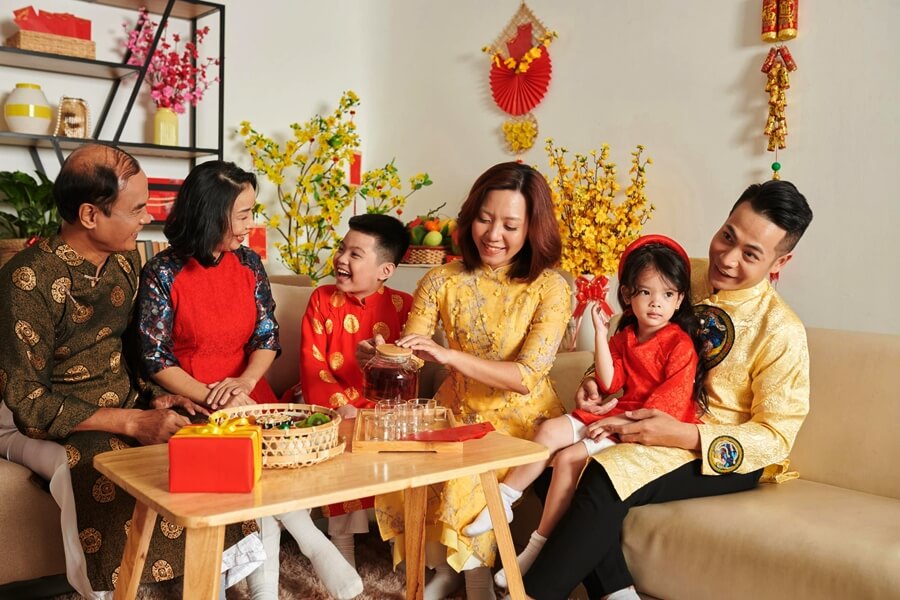
Vietnamese family gathering during Tet holiday, symbolizing traditional customs and family values

In particular, the worship of grandparents and ancestors is considered a sacred expression of gratitude and a deep belief in one’s origins.

In addition, wedding customs still hold an important place in life and are regarded as one of the most significant rituals for people. Along with these are long-standing traditional festivals, most notably Tet Nguyen Dan, which are imbued with national identity and the spirit of reunion.

The beauty of Vietnamese culture is not only expressed on special occasions but also reflected in greetings and daily behavior, contributing to a rich, colorful, and meaningful life.

Explore related topics:

2. Vietnamese Cuisine

Cuisine is an inseparable part of Vietnamese life, vividly reflecting the wet rice agricultural civilization. Rice and glutinous rice are the main ingredients in most dishes – from steamed rice, vermicelli, and pho to countless traditional cakes.

Beyond the ingredients, the creativity of the Vietnamese people shines through in the diverse cooking styles and regional variations. In the North, you’ll find the elegant Hanoi pho; in the Central region, the rich and flavorful Hue beef noodle soup; and in the South, the sweet and aromatic hu tieu.

In daily life, from family meals with rice as the centerpiece to the golden, fragrant delights of street food, Vietnamese cuisine offers an incredible variety of cooking methods – frying, stir-frying, steaming, braising, or hot pot – creating thousands of delicious dishes across the S-shaped country.

Vietnamese cuisine is not just about food; it reflects the history, land, and culture of the country, waiting to be explored through its many traditional dishes, flavors and cooking styles.

Explore related topics:

3. Festivals and Celebrations

According to statistics, Vietnam hosts nearly 8,000 festivals each year, of which more than 7,000 are folk festivals, reflecting the rich spiritual life of its people. Festivals showcase many aspects of life: nature, history, spirituality, and community.

Among them, the Lunar New Year is considered the most important, a time when everyone looks forward to gathering with family. Next is the Hung Kings’ Commemoration Festival, held on the 10th day of the third lunar month in Phu Tho – a sacred celebration that unites the nation through the shared belief in a common origin. The Mid-Autumn Festival ranks third, marking the end of the harvest season, a time for prayers for a peaceful life, and an occasion for children to play, enjoy mooncakes, and watch lively lion dances fill the streets.
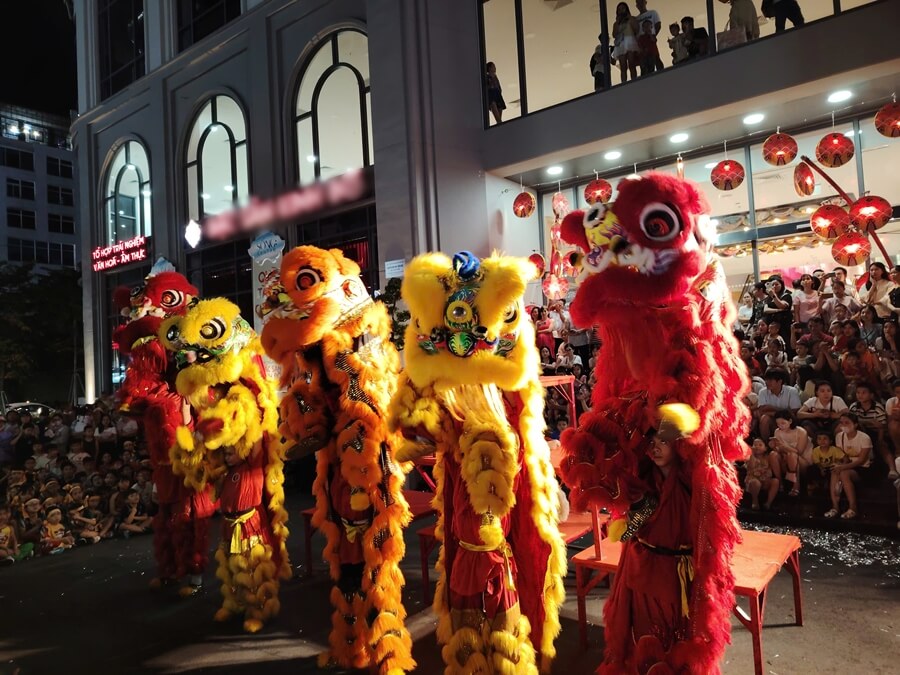
Lion dance performance during the Mid-Autumn Festival in Vietnam

For those wanting to explore Vietnamese culture through its festivals, planning your trip to coincide with these events offers a chance to experience the vibrant, bustling atmosphere firsthand.

4. Arts and Handicrafts

Vietnamese folk art thrives in two main forms: music and handicrafts. Folk music includes prominent genres such as ca trù in the North, quan họ of Bac Ninh, chèo – which is widely developed in the Central region, and cải lương in the South, particularly in the Mekong Delta. Each genre carries a rustic, authentic quality, rooted in the agricultural life of the people.

Handicrafts are equally diverse. Among the most notable are folk paintings, particularly Dong Ho paintings. Traditional craft villages – including rattan and bamboo weaving, gemstone processing, silversmithing, bronze casting, the Ban soy sauce village, and Chuong conical hat village – have produced many unique handicraft products that serve daily life, export, and tourism.

Vietnamese lacquer and silk paintings have also made significant contributions, both domestically and internationally.

Explore related topics:

5. Religion and Beliefs

Beliefs and faiths form a rich spiritual life for the Vietnamese people. Among them, Buddhism has a profound influence — not only on its followers but also on the lifestyle, behavior, and thinking of many people across the country.
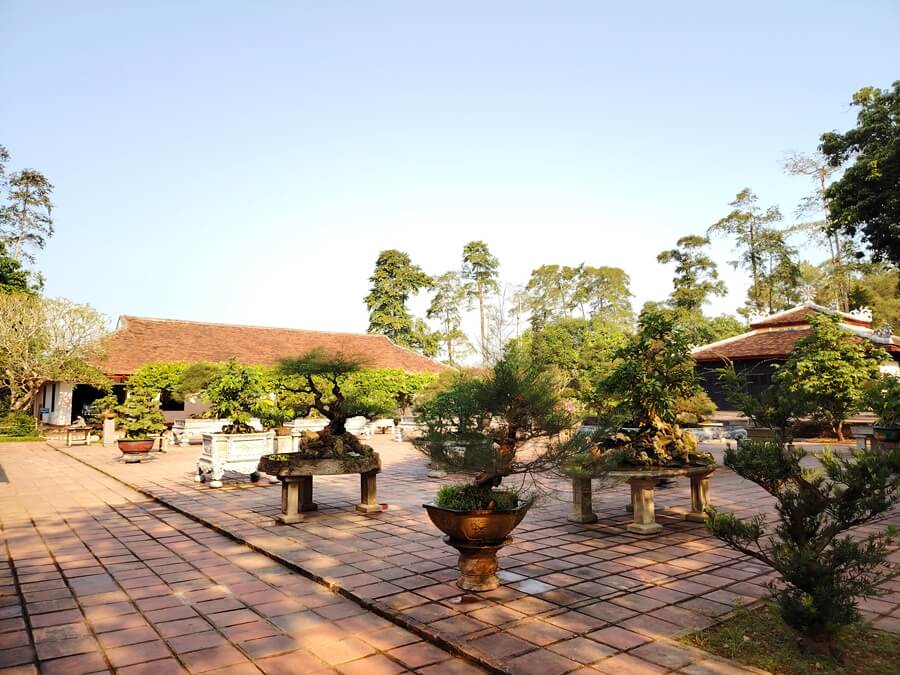
Peaceful view of Thien Mu Pagoda and its garden in Hue, Vietnam

Catholicism also has a strong presence, offering a different perspective on compassion and devotion. Additionally, Cao Dai in Tay Ninh is a unique destination where visitors can admire its distinctive architecture and attend solemn ceremonies.

Alongside these major religions, Vietnam also preserves a vibrant tradition of folk beliefs — including ancestor worship, Mother Goddess worship, and many other forms of ritual — reflecting gratitude, family ties, and community values.

Beneath this layer of cultural and spiritual practices, the influence of Confucianism and Taoism continues quietly, expressed through respect for hierarchy, social roles, and family traditions in many Vietnamese households.

Explore related topics:

6. Architecture and Heritage

An important aspect of Vietnamese culture is its architecture and monuments. While modernity has transformed many urban areas, ancient structures have been carefully preserved, maintaining the quiet beauty of the past — such as Hanoi Old Quarter, Hoi An Ancient Town, and the Hue Monuments Complex.

The intersection of French and Vietnamese cultures is still clearly visible in French-style architecture, from the gentle curves of pillars and domes to the intricate patterns on walls. Notable examples include the French Quarter in Hanoi, historic villas in Hue, and Notre Dame Cathedral in Ho Chi Minh City.

Over time, the old and the new have blended together, creating a diverse architectural landscape in Vietnam — where modern houses retain classical touches, and public buildings combine contemporary energy with respect for heritage.

Explore more about Vietnamese architecture and monuments to gain a deeper understanding of how tradition and modernity coexist in the country’s cultural landscape today.

Explore related topics:

7. Clothing and Traditional Attire

A distinctive and easily recognizable aspect of Vietnamese culture is its clothing, expressed through both traditional and everyday attire.

Ethnic minorities in the Northwest and Central Highlands stand out with their costumes, which are colorful and intricately embroidered, reflecting the skill and creativity of their makers.
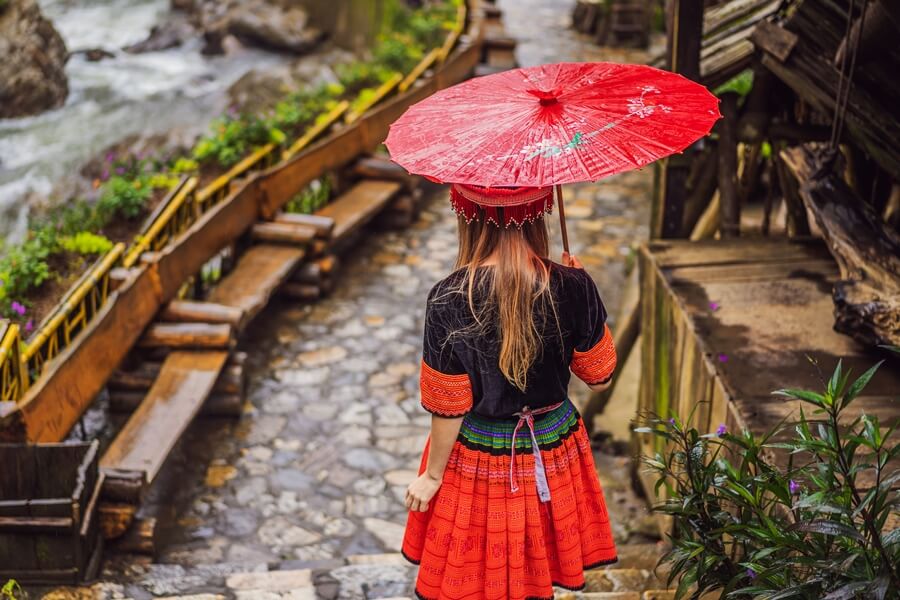
Ethnic minority woman wearing traditional dress in northern Vietnam

In the North, the four-panel dress of the Bac Ninh quan họ region, with its vibrant colors, soft flowing panels, harmonious color combinations, and delicate slitting techniques, has become a symbol of the charm and talent of local women.

In the South, the áo bà ba presents a contrasting beauty — simple, rustic, and neat. This attire reflects the honest, dynamic, and free-spirited personality of Southern people, closely tied to everyday working life.

Of course, the Ao Dai cannot be overlooked. As a symbol of Vietnamese feminine beauty, the áo dài — from North to South — retains its grace, elegance, and charm, even with small regional variations in style or length.

Explore related topics:
8. Language and Communication

Considered an important means of cultural transmission, Vietnamese is not only a language of communication but also a reflection of family and social order through its diverse and sophisticated forms of address. Each form — from “anh,” “chị,” “cô,” “chú” to “bác” and “em” — conveys relationships, respect, and social position, creating a communication system rich in human connection.

Vietnamese also enriches the spiritual life of the people, with the ability to express deep emotions in poetry, music, folk tales, and even administrative documents, clearly reflecting the functioning of Vietnamese society across different periods.

Learning a little Vietnamese while traveling here allows you to experience the local culture more intimately — because through words, you not only communicate but also connect with the rhythm of daily life and the soul of the Vietnamese people.

Explore related topics:


Practical Tips to Explore Vietnamese Culture Up Close

Here are some suggestions we’ve summarized to help foreign visitors gain a more authentic and profound understanding of Vietnamese culture:

  1. Spend at least three days in a destination to start appreciating the beauty of local culture and life. If your time is limited, consider hiring a local tour guide — they can share many fascinating insights that no books or newspapers have ever recorded.
  2. Visit a local restaurant to observe how people enjoy their meals and communicate in a familiar setting, or sit at a popular café to feel the local pace of life, the way people chat, and the unique coffee-drinking culture of the Vietnamese.
  3. Stop by a local market to see how people trade and exchange goods. You’ll have the chance to notice whether their interactions are sincere and straightforward, or more practical and materialistic in each transaction.
  4. If possible, visit a Vietnamese family. You’ll experience the “interesting confusion” in how people address one another — a reflection of the subtlety and depth of the Vietnamese language that clearly shows the community spirit and kinship ties within each household.
  5. Join a short cooking class to explore the richness of Vietnamese spices. You’ll see how chefs skillfully balance sour, spicy, salty, and sweet flavors — creating a distinctive identity for Vietnamese cuisine.

There are many other ways to get closer to Vietnamese culture — through hands-on experiences, classes, or discovery tours. The more time you spend in Vietnam, the more deeply you’ll feel the richness and authenticity of life here.

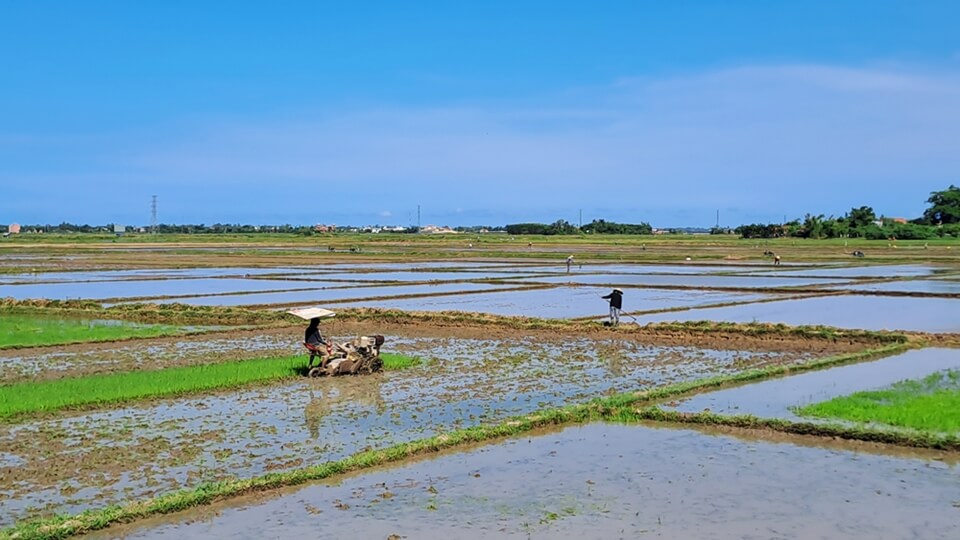
Vietnamese farmers working on a rice field with a plowing machine, showing the traditional agricultural life in Vietnam
Farmers plowing and tending rice fields, a familiar image of Vietnam’s traditional rural culture

FAQs About Vietnamese Culture

What can I bring back as a gift from Vietnamese culture?

Visitors can easily find many gifts that reflect the richness of Vietnamese culture. Some popular suggestions include:

  • Handicrafts such as bamboo and rattan products, ceramics, hand-embroidered artworks, or decorative items made from shells, wood, or lacquer.
  • Traditional clothing such as the ao dai, Nam Bo scarves, or brocade textiles made by ethnic minorities.
  • Artworks such as silk paintings, Dong Ho paintings, lacquer paintings, or artworks depicting Vietnamese landmarks.

These gifts are not only beautiful but also carry deep cultural significance, making them meaningful presents for friends and family.

Most travel companies in Vietnam offer programs that explore local culture, as this is a unique feature that attracts many international visitors. You can easily sign up for a variety of tours, such as:
  • Food tours: Experience traditional dishes and learn how to cook Vietnamese cuisine.
  • Handicraft tours: Participate directly in making pottery, weaving, or crafting traditional products.
  • Trekking and community tours: Explore highland villages and learn about the daily lives and customs of local people.
These programs provide wonderful opportunities for travelers to gain a deeper understanding of Vietnamese culture in a vivid and authentic way.

The Vietnamese language is considered one of the most distinctive and unique aspects of the culture, but it is also the most difficult for tourists to approach, as learning to speak and understand Vietnamese in a short time is not easy.

In contrast, Vietnamese cuisine is the easiest and most enjoyable way to explore the local culture. Vietnamese dishes are found everywhere — from street food stalls to fine dining restaurants — allowing visitors to easily experience and appreciate the essence, flavors, and spirit of the Vietnamese people.

Would you like to ask a local about something in Vietnamese culture?
We are Vietnamese and happy to share our culture with you.


 / 

Sign in

Send Message

My favorites