
2-Day Route Itinerary from Nha Trang to Ho Chi Minh City
This two-day car journey has a longer first day with more stops and coastal driving, while the second day is faster, although it is nearly the same distance.
Day 1: Following the Sunny Coast from Nha Trang to a Relaxing Evening in Mui Ne
Suggested Departure
Recommended departure between 8:00 AM and 8:30 AM after breakfast from central Nha Trang hotels.
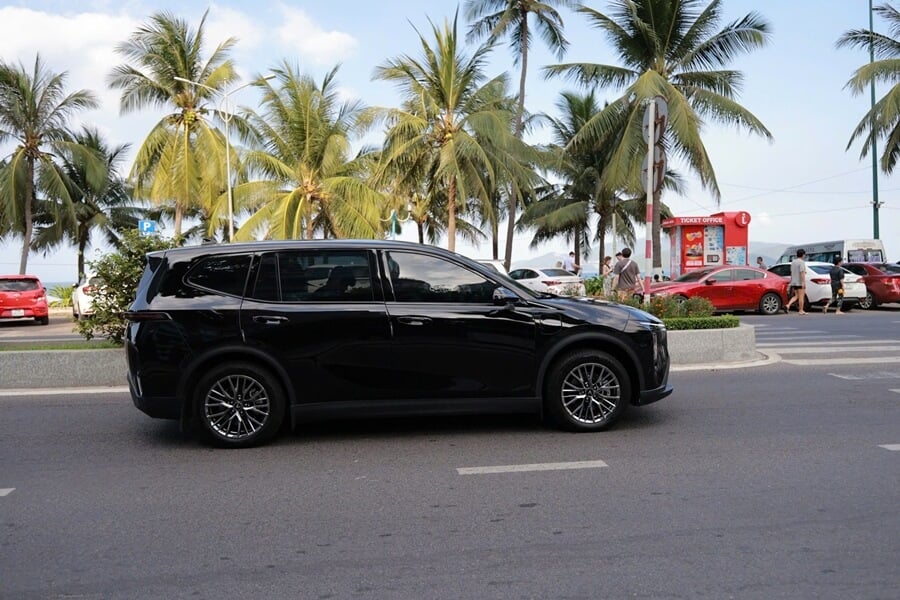
If you are staying in Doc Let, an earlier departure between 7:00 AM and 7:30 AM is recommended because this northern coastal location adds additional driving time before reaching the main southbound route from Nha Trang.
Driving Overview:
- Total duration today: Around 5 hours of driving, or approximately 7 to 8 hours in total including sightseeing and rest stops.
- Longest uninterrupted sections: Around 1.5 to 2 hours, typically from Nha Trang to Phan Rang if you do not stop for photos. The second longest stretch is from Ca Na to Bau Trang, which takes over 1 hour.
- Road character: Dry coastal highways, open roadside landscapes, and scenic beach corridor roads as you approach Mui Ne.
Today, we’re traveling through mountain ranges that the road passes through, but they cannot be considered mountain passes like the one north of Nha Trang, the passes in northern Vietnam, or the road to Da Lat. They are simply roads winding through hills. As a result, the route is generally quite flat.
Morning Route Flow
After picking you up from your hotel in central Nha Trang (or Doc Let), we’ll head south. Today’s destination is Mui Ne.
However, the drive itself is one of the highlights of the day. Along the way, you’ll experience the landscapes and daily life of local communities living along one of Vietnam’s driest coastal regions, particularly around Phan Rang and Ca Na.
Within just 10 to 15 minutes, you’ll leave the bustling coastal city behind and enter a landscape of open sandy beaches, creating one of the most noticeable transitions from an urban environment to a remote coastal landscape during this two-day journey by car.
Following the coastal road through Cu Hin Pass and Cam Ranh on the way to Cam Ranh Airport, you’ll occasionally see abandoned buildings on the left and sandy fields dotted with low-growing casuarina trees. These areas may have been planned for construction or tourism development projects.
Crossing Long Ho Bridge, you’ll notice that the road is wide, with little traffic and a good asphalt surface. There are almost no houses on either side. However, after turning onto National Highway 1A, houses suddenly become much more densely packed, though they remain mostly low-rise, unlike central Nha Trang, where tall hotels line the coast. This signals the return of everyday life in the small provinces along Vietnam’s central coast.
As we pass through the wind farm area, we can see the diverse development of energy sources in Vietnam. Many barren and previously unused areas have been utilized for the construction of wind power projects.
If you are an energy engineer or work in the wind power industry and would like to stop for photos, please let the driver know. They can choose a suitable place to stop. However, access to the wind turbines themselves is not permitted.
We will stop at a vineyard, one of Phan Rang’s local specialties, where grapes are grown and natural grape wine is produced. This is a good place to rest, use the restroom, drink water, sample grape products, and see the vines growing in the dry, sandy soil. It also provides an opportunity to appreciate the effort local farmers invest in cultivating sweet grapes and producing grape wine. This stop also serves as a restroom break.
The grape wine contains a small amount of alcohol, although some people may consider it more of a syrup-like beverage. Drivers are not permitted to consume it because even a small amount of alcohol can result in a measurable blood alcohol level. Therefore, if passengers occasionally offer the driver a sample, they will usually decline.
Lunch Stop at an Exciting Local Seafood Area
Around midday, there are many options for lunch, and the Ca Na beach area is a popular place to stop.
If you prefer a restaurant with a higher standard of service, there are several beachfront restaurants in Ca Na where the driver can stop for lunch. Alternatively, if you’re looking for a light meal or a quick snack, the driver can stop at a small local shop or a rest area such as Pacific Rest Stop, where you can find something to eat before continuing the journey.
However, we often choose to stop for lunch in a coastal fishing village between Ca Na and Mui Ne.
Along this stretch of coastline, you can see dozens of colorful basket boats pulled onto the beach as fishermen return from their morning catch. Several local seafood restaurants near the shore allow guests to select fresh seafood directly from the fishermen.
Some Vietnamdrive guests have purchased live squid or fish directly from local fishermen and then asked nearby restaurants to prepare them for lunch for a separate cooking fee. Because English is still limited in some smaller coastal restaurants, travelers may ask the driver to help confirm seafood prices and cooking charges before placing an order.
In our opinion, the section of National Highway 1A through Ca Na is one of the most beautiful coastal drives in Vietnam. The road winds through hills and mountains but does not climb to high elevations, so temperatures remain fairly consistent.
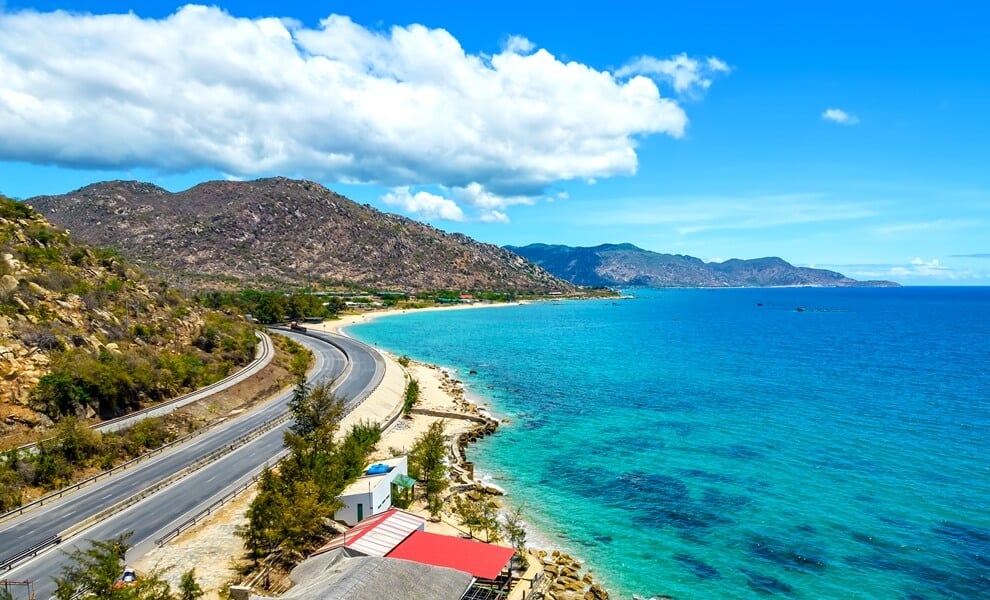
As you pass through central Ca Na, the speed limit drops to 60 km/h in many sections, even though the road is in good condition. This slower pace provides better opportunities to enjoy the sea views and observe the daily lives of the local coastal communities.
Although the road and the scenery are beautiful, this area can feel somewhat barren because the rocky mountains and large boulders limit vegetation growth. Compared with other coastal regions, the local communities also appear less prosperous.
If you haven’t traveled the route from Hoi An to Nha Trang via Quy Nhon and missed the salt fields in Sa Huynh, Ca Na offers another opportunity to admire vast white salt fields and observe the traditional salt-making process carried out by local salt farmers. Please note that the Ca Na Salt Fields are an optional stop, as visiting them requires a short detour from the main road.
Afternoon Route Progress
About 1.5 hours after leaving the Ca Na beach area, we will enter the Phan Thiet region. The road leading to the White Sand Dunes begins to feature larger and more prominent white sand dunes on both sides, a defining characteristic of this area.
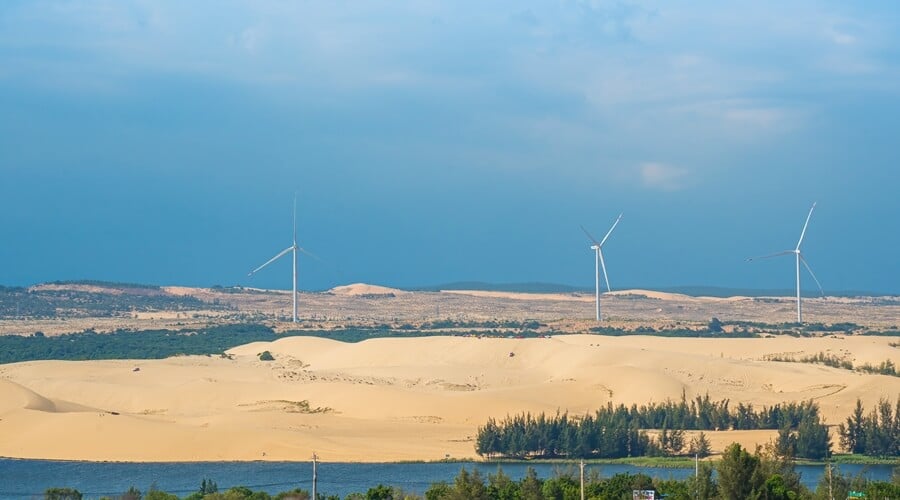
Along the road, you’ll often see vehicles parked while waiting for tourists. If you arrive in the late afternoon as the sun begins to set, the golden light reflecting off the white sand creates excellent photo opportunities.
The White Sand Dunes are one of the most interesting stops on the first day of your journey from Nha Trang to Ho Chi Minh City, with an overnight stay in Mui Ne. A 30 to 45 minute stop gives you time to walk on the dunes, take photos, and even remove your shoes to feel the soft sand beneath your feet, almost like a free foot massage.
After leaving the White Sand Dunes, the sea begins to come back into view, signaling your approach to Mui Ne.
Along today’s route, you’ll occasionally see hillsides dotted with white rock formations that stand out against the green vegetation. This landscape is completely different from the wetter regions between Hoi An and Hue. At times, the rocks appear as if they are ready to tumble down the slopes.
Mui Ne Arrival Flow
Typically, arrival time is between 4:00 PM and 5:00 PM. Depending on how much time you spend at Bau Trang, you may reach your hotel in Mui Ne earlier or later in the afternoon.
Of course, if you already have a hotel reservation, the driver will take you directly there. If you’re still deciding where to stay, we usually recommend hotels in the Mui Ne Bay area, which is closer to the sea and generally quieter. Examples include The Sailing Bay Beach Resort and Muine Bay Resort.
Alternatively, if you prefer easier access to restaurants outside your resort and the opportunity to walk around in the evening, you may choose accommodation along Huynh Thuc Khang Street and the central Mui Ne beachfront area. Options include Sunset Story Hotel, Song Bien Homestay Mui Ne (small but charming), or the larger Centara Mirage Resort Mui Ne.
Don’t worry, wherever you choose to stay, our driver will be able to locate your accommodation and pick you up on time the next morning.
Now it’s time to enjoy the beaches of Mui Ne. Although it is also a coastal destination, Mui Ne is quieter than Nha Trang and is often considered more suitable for relaxation, thanks to its laid-back atmosphere and long sandy beaches.
Day 2: Beginning with a Slow Coastal Morning in Mui Ne Before the Energy of Ho Chi Minh City
This itinerary is more than just a drive from one city to another. It includes sightseeing opportunities in Mui Ne, allowing you to make better use of your time and enjoy a more rewarding journey.
Suggested Departure Time
If you don’t have any scheduled activities or a flight in Ho Chi Minh City, Vietnamdrive recommends starting your journey later than usual. The suggested 10:00 AM departure refers to the main journey toward Ho Chi Minh City. Before that, travelers who wish can join an optional sunrise excursion to the White Sand Dunes.
The reason is simple: to give you more time to enjoy the beach and relax in Mui Ne, a destination where many travelers come to recharge by the sea and experience the peaceful atmosphere of its resorts.
Driving Overview:
- Total distance: Approximately 190 km
- Total driving time: Around 4 hours. Including sightseeing and lunch, today’s journey typically takes approximately 6 to 7 hours.
- Driving characteristics: A slower drive through Mui Ne and Phan Thiet at the beginning, followed by faster travel on the expressway.
- Longest uninterrupted driving sections: Approximately 1.5 hours, with one stretch before the rest stop on the Phan Thiet – Dau Giay Expressway and another from Dau Giay to Ho Chi Minh City.
Morning Route Logic
Watching the sunrise in Mui Ne is one of the destination’s unmissable highlights, so today’s morning schedule differs from the suggested departure time above, which refers only to hotel check-out and loading your luggage into the vehicle.

The sunrise excursion begins with pickup from your hotel in Mui Ne at around 4:45 AM. You will return to the White Sand Dunes (Bau Trang), located about 30 km from central Mui Ne, and wait for the sun to gradually rise between approximately 5:15 AM and 5:30 AM. Remember to prepare your camera the night before so you don’t forget it, as the sunrise over the sand dunes and the nearby sea offers excellent photography opportunities.
After sunrise, you’ll return to your hotel for breakfast and some free time to relax on the beach. Around 10:00 AM, after checking out, you’ll load your luggage into the vehicle and begin the next stage of the journey.
After checking out, instead of heading directly to Ho Chi Minh City, Vietnamdrive follows the coastal road through Mui Ne and Phan Thiet Bay so you can experience the scenery, local communities, and the daily lives of the fishermen.
The car travels slowly along Huynh Thuc Khang Street, a narrower coastal road than the parallel Vo Nguyen Giap Road.
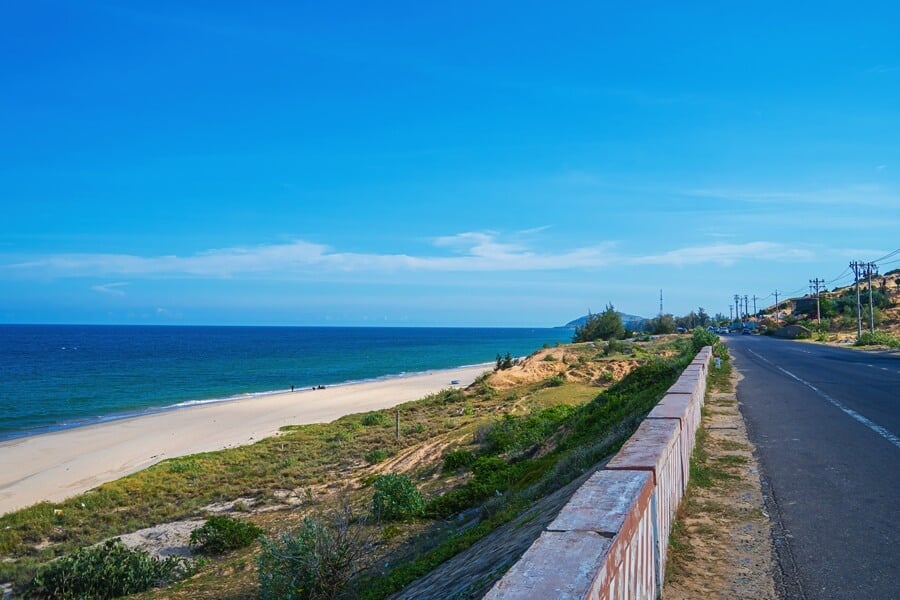
We will stop near Mui Ne Fishing Village, where fishing boats and traditional basket boats are anchored after the morning catch.
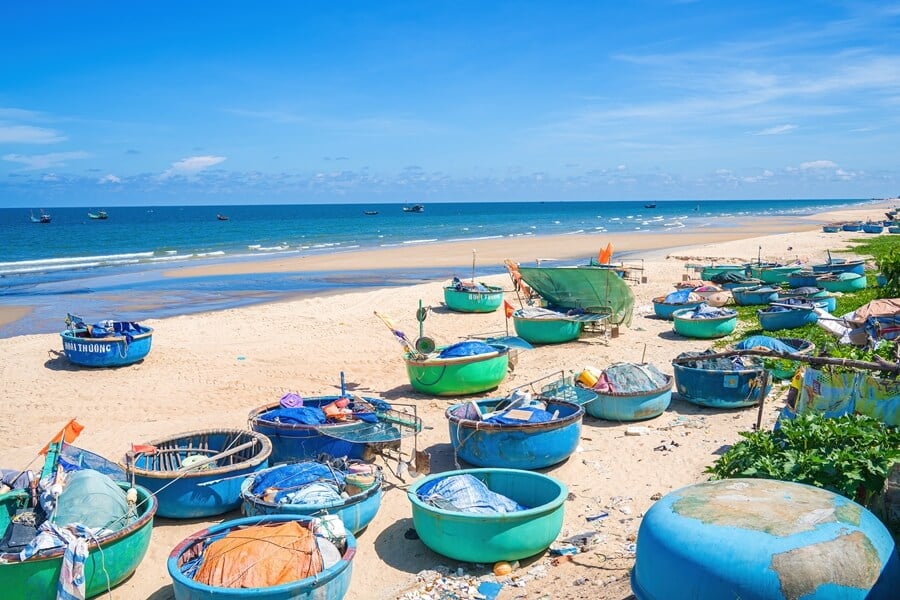
Here, you can take photos or observe the simple tools used by local fishermen. Standing nearby, you’ll likely notice the strong scent of freshly landed shrimp, crab, and fish. We usually stop for a few minutes to enjoy the view and take photographs. If you would like to walk down to the boats, simply let the driver know so they can find a suitable parking place, as roadside stopping is limited.
Afterward, the journey continues to Suoi Tien (Fairy Stream), where a shallow stream flows through dry red and white sand formations. Despite the surrounding dry landscape, the water remains cool, clear, and refreshing. Walking barefoot through the stream offers a pleasant contrast to Mui Ne’s warm climate.
There are several cafés and guesthouses near Fairy Stream where you can relax and enjoy a light drink before continuing to an optional restaurant for lunch.
As you can see, today’s morning schedule is intentionally relaxed: watching the sunrise, returning to the hotel for breakfast, relaxing on the beach, checking out, enjoying a scenic coastal drive along Huynh Thuc Khang Street, and taking a leisurely break before continuing toward Ho Chi Minh City.
Lunch Stop Before the Faster Drive
A seafood lunch at a restaurant overlooking Phan Thiet Bay offers a wonderful coastal dining experience. There are many restaurants to choose from, but after our own inspections, we selected Hong Phat Seafood Restaurant for its sea-view seating, transparent pricing, and fresh seafood, although the dining style remains distinctly Vietnamese.
After lunch, the journey leaves the coastline and joins National Highway 1A before merging onto the Phan Thiet to Dau Giay Expressway. From here, we continue south toward the vibrant city of Ho Chi Minh City.
This is the longest uninterrupted driving section of today’s journey.
After about 1.5 hours, there is a rest area at Km47+500 on the Phan Thiet to Dau Giay Expressway. Drivers usually stop here for about 30 minutes to rest, use the restrooms, and stretch before continuing the journey. We found the facilities to be well maintained, with spacious parking and clean restrooms, making it one of the better highway rest stops on this route.
However, we generally recommend that guests enjoy only light snacks, such as crackers, cookies, chips, or drinks, at the rest stop. It’s better to save your appetite for dinner in downtown Ho Chi Minh City, where you’ll find a much wider selection of restaurants.
For today’s journey, we recommend using the expressway because most of the morning is spent relaxing at Mui Ne Beach and visiting local attractions, leaving the afternoon for travel to Ho Chi Minh City.
Taking the coastal roads instead, such as National Highways 55 and 51, is significantly slower and often results in a much later arrival. In addition, the National Highway 1A section in this region can be challenging because of heavy motorcycle and truck traffic. That’s why we choose the expressway, which provides a faster and smoother final leg of the journey.
Although you’ll be traveling on an expressway, you’ll still notice the landscape gradually changing from a quiet coastal region to rolling green countryside with low hills and occasional rubber plantations. This scenery is quite different from the coastal landscapes between Nha Trang and Mui Ne on the first day.
Arrival Flow
Arriving in Ho Chi Minh City in the late afternoon is common, and heavy traffic from cars and thousands of motorbikes can easily cause congestion on major roads.
If you leave the sightseeing attractions in Phan Thiet around 3:00 PM, you’ll likely reach Ho Chi Minh City between 5:00 PM and 6:00 PM. At that time, you should expect slow traffic, even when you’re close to your hotel.
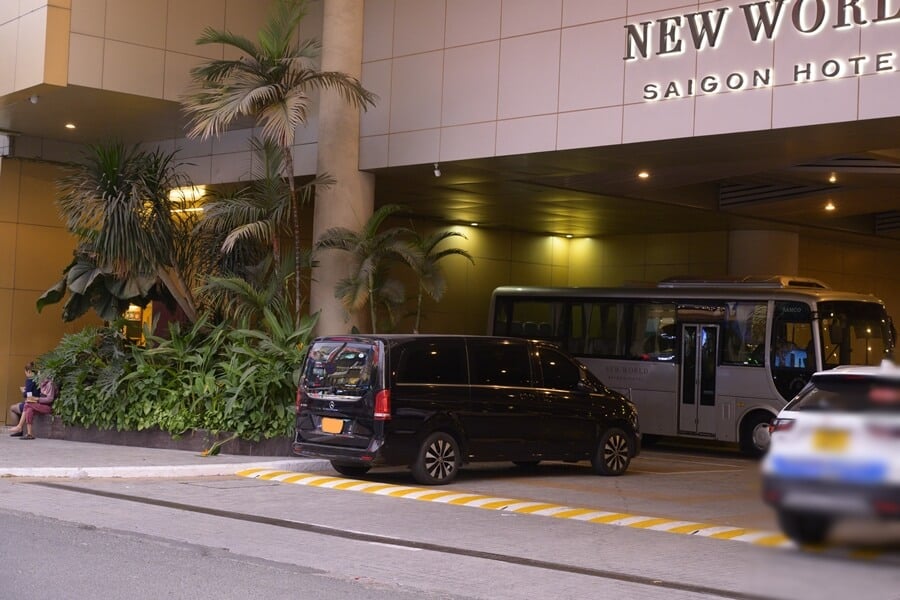
For this reason, Vietnamdrive generally recommends keeping your first evening in Ho Chi Minh City relaxed. Rather than planning additional sightseeing, take a leisurely walk along Nguyen Hue Walking Street, try local specialties such as southern-style banh xeo (Vietnamese savory pancake) at Banh Xeo 46A Dinh Cong Trang, or enjoy a hot bowl of Saigon-style pho served with plenty of fresh herbs.
For first-time visitors, we recommend staying in the Nguyen Hue Walking Street area. Good choices include hotels on Nguyen Hue Walking Street, such as Rex Saigon Hotel, or nearby on Ton Duc Thang Street, such as Riverside Hotel Saigon. From here, you’ll have plenty of time to experience the energy of one of Vietnam’s largest and most vibrant cities.
From Ho Chi Minh City, you can continue your journey with a two-day Mekong Delta car itinerary or a day trip by car to the Cao Dai Temple and the Cu Chi Tunnels.