
Why This Route Logic?
Based on actual trips, guest feedback, and observations from our drivers, the Vietnamdrive team developed this car itinerary. The reasons behind this route logic are explained below.
Why stop overnight in Quy Nhon?
We designed this itinerary with an overnight stay in Quy Nhon because the distance from Hoi An to Nha Trang is quite long. If traveled in a single day, the journey can take around 12 hours, which can easily lead to fatigue and result in spending most of the day sitting in the car.
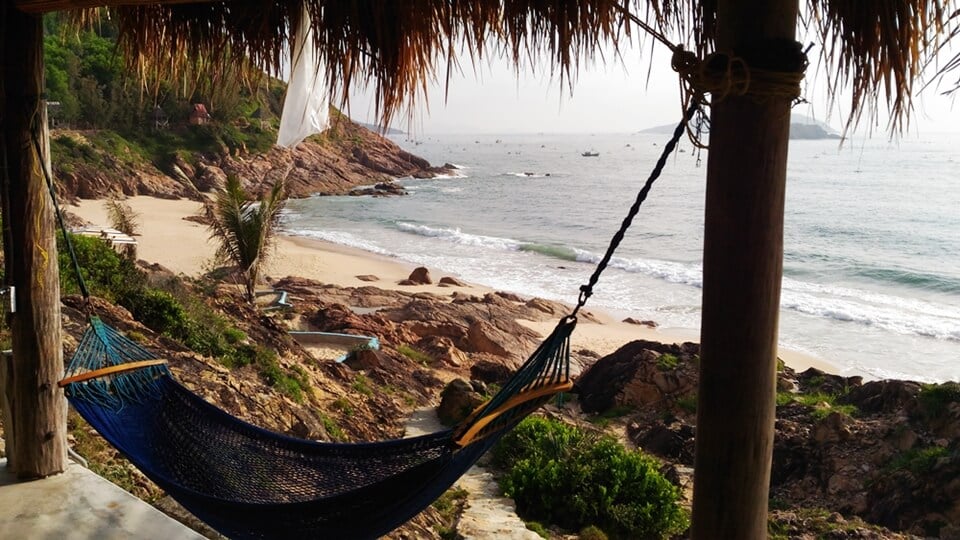
Quy Nhon was selected as the overnight stop because it is an ideal location for dividing the journey into two more balanced travel days. The Hoi An to Quy Nhon section is long enough to include several sightseeing stops along the way. The Quy Nhon to Nha Trang section is also manageable, allowing travelers to continue without needing to depart too early or rush through the day. Many guests also enjoy spending a relaxing morning at Quy Nhon’s beach before continuing south.
What if I only want the fastest way to Nha Trang?
If your goal is simply to get from Hoi An to Nha Trang as quickly as possible, we usually recommend considering a flight or a train. Flying saves a significant amount of time, while train travel is often more affordable than hiring a private car for the entire journey.
Why travel this route by private car?
Traveling quickly in a single day by air or train means missing many of the unique experiences the Central Coast has to offer. Part of the appeal of this route lies not only in the destination but also in the journey itself, where you can observe the daily lives of coastal communities, small fishing villages, salt fields, and residential areas nestled between stretches of sandy coastline and the blue sea.
Why does Vietnamdrive prefer the coastal route?
Vietnamdrive chose to follow the coastal route and the old National Highway 1A rather than prioritizing the expressway. The goal is to bring travelers closer to the local landscape and everyday life. While the expressway offers a faster journey, it mainly passes through hills, and long stretches of repetitive scenery. The coastal route, by contrast, provides better opportunities to observe towns, villages, daily activities, and the distinctive character of Central Vietnam.
Can the travel time be reduced?
Please note that the Hoi An to Quang Ngai and Quang Ngai to Quy Nhon sections can now be traveled via the expressway to reduce driving time. However, in this article, we focus on the coastal route and National Highway 1A because they are better suited to travelers who want to experience the scenery, local life, and distinctive characteristics of Vietnam’s central coastal region.
2-Day Route Itinerary from Hoi An to Nha Trang
This car itinerary is divided into two travel days. The first day focuses on the coastal landscapes between Hoi An and Quy Nhon, while the second day continues south through Phu Yen Province before crossing Ca Pass and arriving in Nha Trang.
Day 1: Leaving Hoi An Through Coastal Villages and Salt Fields to Quy Nhon
The first day of your journey takes you from the well-established tourist destination of Hoi An to the coastal city of Quy Nhon. This is a relatively long travel day, but most of the route is fairly flat, passing through coastal villages, rice paddies, salt fields, and many typical residential areas of Central Vietnam.
Suggested Departure Time
We usually recommend departing in the morning to allow enough time for breaks, lunch, and sightseeing stops along the way without feeling rushed.
- Suggested departure time: 8:00 AM during the summer, 8:30 AM to 9:00 AM during other times of the year
- Estimated total duration: Approximately 8 to 10 hours, including driving and stops
- Total distance: Approximately 310 km
Morning Route Flow
There are several route options from Hoi An to Quy Nhon, but for first-time visitors, we usually recommend taking the newer coastal route from Hoi An to Nui Thanh.
This route begins at the new bridge connecting the northern Cam Thanh area with the southern side of the Thu Bon River. While the area north of the bridge remains busy with tourists visiting the coconut villages, the atmosphere becomes much quieter south of the Thu Bon River. From this point, the journey gradually leaves behind the busy tourist activity of Hoi An.
The car continues through villages nestled among coastal sand dunes, where rows of casuarina trees line the road.
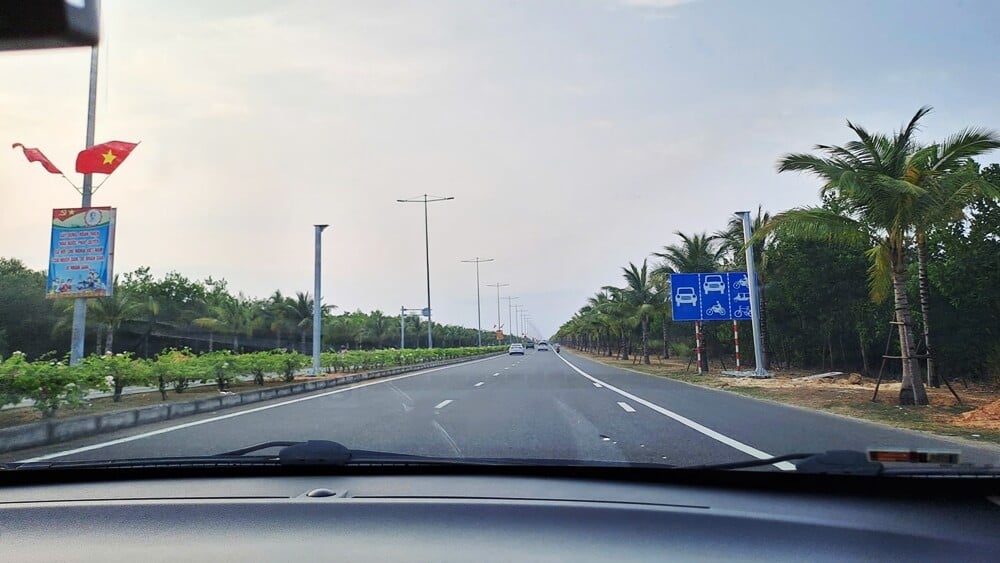
After about 20 to 30 minutes, you will pass the VinWonders Hoi An area before entering one of the most beautiful coastal roads in Central Vietnam. Both sides of the road are lined with green coconut trees, while the median is planted with bougainvillea in shades of pink, red, and white. They bloom brightly from around May to September.
Interestingly, this is a relatively new road, traffic is usually light, making the drive smooth and comfortable.
After nearly an hour of travel, the first stop is usually the Mother Thu Memorial near Tam Ky. This memorial honors the heroic mother of Quang Nam Province, whose many sons sacrificed their lives during the wars to protect the country.
Travelers can take a short break, use the restrooms, and take photos before continuing the journey.
After this stop, the vehicle returns to the coastal road and continues along a newly developed section approximately 30 km long. The speed limit on this stretch is generally 60 km/h. The road currently has only two lanes, and portions of the opposite side are still under development. As a result, travelers may notice slower driving speeds along this section.
About 40 to 50 minutes of driving, drivers usually merge onto National Highway 1A near Chu Lai Airport. The change is immediately noticeable, with more traffic and houses lining both sides of the highway. This creates a strong contrast with the open and peaceful coastal road traveled earlier from Hoi An.
Along this section of National Highway 1A, you’ll also see green fields stretching across the landscape and rows of townhouses with small shops operating on the ground floor. From time to time, clusters of homes appear tucked beneath trees in the middle of the fields. For many international visitors, this is one of the small but memorable experiences of traveling on Vietnam’s national highways.
Lunch Stop Along the Route
If departing in the morning, the vehicle usually arrives in downtown Quang Ngai around midday.
A restaurant frequently chosen by Vietnamdrive drivers is Nhung Chicken Rice Restaurant. The restaurant serves local chicken dishes, including chicken rice and chicken porridge.

We selected this restaurant after evaluating many dining options in Quang Ngai City. Compared with most local restaurants, it is more spacious, cleaner, and has better restroom facilities. This is especially helpful because international tourism in Quang Ngai is still relatively limited, and dining options that meet the expectations of foreign travelers are not always easy to find.
Afternoon Route Progression
After lunch, the journey continues along National Highway 1A.
About 15 minutes after leaving Quang Ngai, the vehicle passes through the toll station area, where a large number of trucks and buses begin to appear. This section connects with the expressway and receives a significant volume of vehicles exiting the expressway and merging onto National Highway 1A. As a result, there are times when the vehicle must travel slowly behind large trucks.
This is also the time when many travelers choose to relax or take a short nap after lunch. The scenery becomes more repetitive, with roadside houses, open fields, and small residential communities appearing along the route.
About an hour later, a short stop to stretch your legs and enjoy some fresh air is often made at the fields near the Dang Thuy Tram Clinic Building or at its yard. Dang Thuy Tram was a female doctor who worked in this area during the war. Travelers interested in Vietnam War history can come inside the building, where photographs and information about Dr. Dang Thuy Tram’s life and experiences during the war are displayed.
A practical note: from this area all the way to Quy Nhon, there are very few rest stops that meet the standards commonly found at hotels or international tourist destinations. If you need to use the restroom, let your driver know in advance so they can select a suitable gas station or stop along the route.
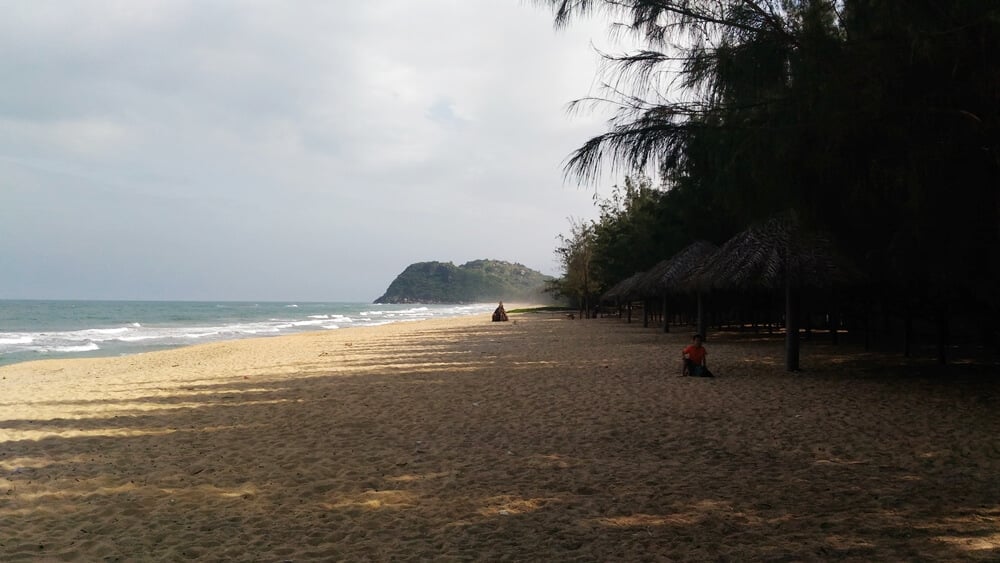
Next, after about 50 to 70 minutes of driving, we will stop at Sa Huynh Beach, a quiet stretch of coastline that has remained largely untouched by large-scale tourism development. The beach offers a wide view of golden sand, rows of casuarina trees, and the blue sea beyond, making it a pleasant place to take photos and enjoy a short break from the road. On sunny days, the beach appears bright and vibrant, while cloudy afternoons create a softer and more peaceful coastal landscape.
Another notable stop during the dry season, typically from May to September, is the Sa Huynh Salt Fields. Considered one of Vietnam’s largest sea salt production areas, Sa Huynh features vast stretches of bright white salt fields that create a distinctive coastal landscape.
Interestingly, since the Quang Ngai to Hoai Nhon and Hoai Nhon to Quy Nhon expressways opened in late April 2026, most long-distance traffic has shifted to the expressways. As a result, traffic on National Highway 1A between Quang Ngai and Quy Nhon is now significantly lighter than it was in the past.
Throughout today’s journey, the terrain is generally flat. The only notable elevation change is Binh De Pass, located between Quang Ngai and Hoai Nhon, although it is far less winding and challenging than either Ca Pass or Hai Van Pass.
Overnight in Quy Nhon
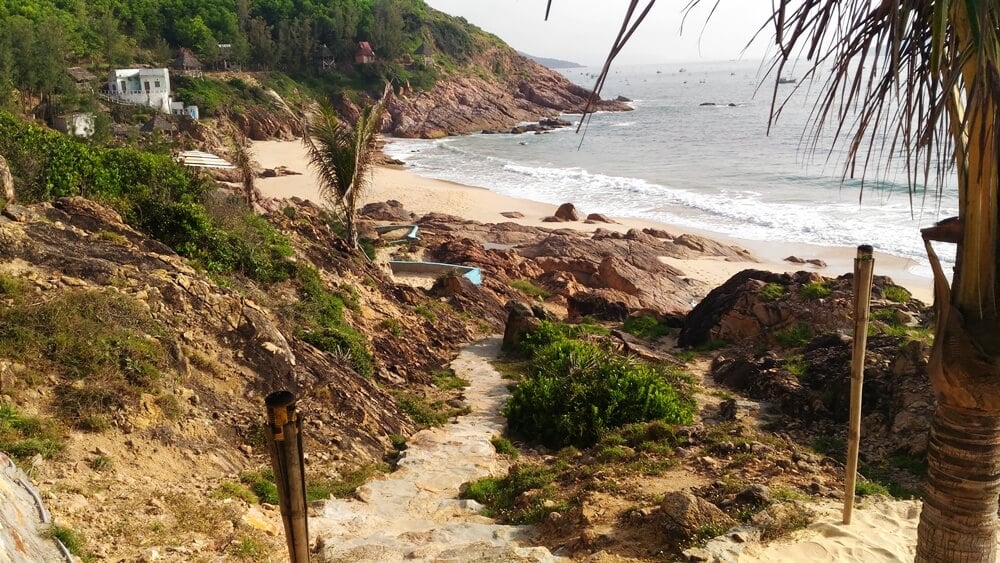
Travelers usually arrive in Quy Nhon in the late afternoon. This is the perfect time to relax and enjoy the sea breeze after a long day on the road.
If you choose to stay at resorts such as Avani Quy Nhon Resort or in the Bai Bang area south of Quy Nhon, please note that these properties are located about 16 km from the city center. As a result, most dining, relaxation, and beach activities will typically take place within the resort.
On the other hand, if you would like easier access to local life, seafood restaurants, and the atmosphere of a small coastal city, you may prefer to stay at a hotel in downtown Quy Nhon.
Day 2: Crossing Ca Pass Before Arriving in Nha Trang
After a night’s rest in Quy Nhon, the second day of our car journey continues south to Nha Trang. While the first day primarily took you through the coastal plains and villages of Central Vietnam, today’s landscape changes significantly, with mountain ranges extending toward the sea, coastal passes, and stretches of road offering panoramic ocean views.
Suggested Departure Time
The morning is an ideal time to relax, take a walk, or enjoy a swim at Quy Nhon Beach before continuing the journey.
- Suggested departure time: Between 9:30 AM and 10:00 AM.
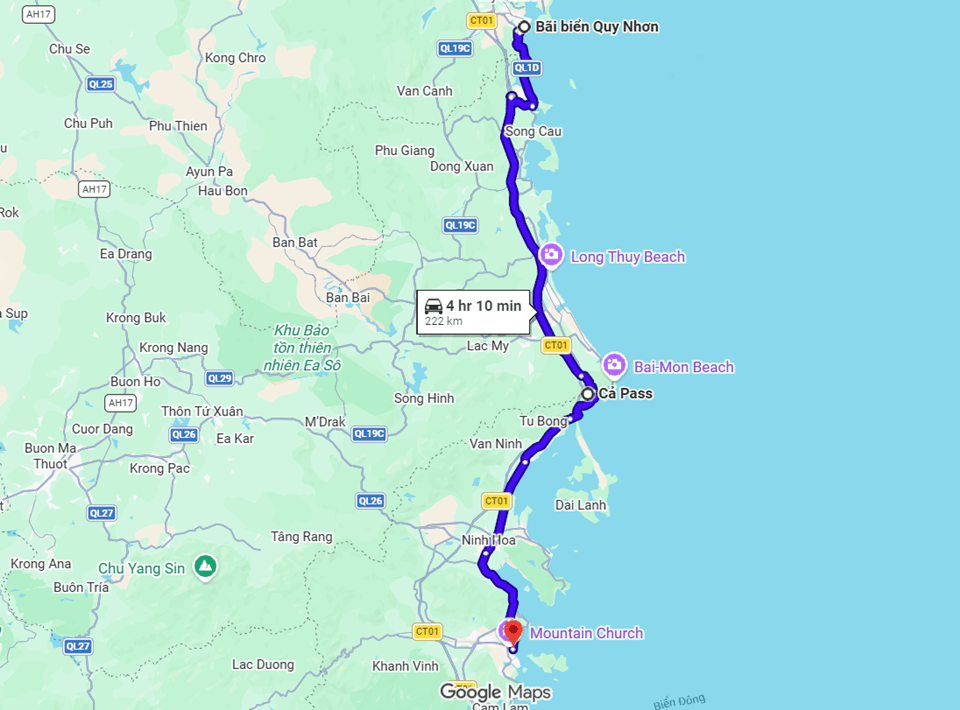
- Total distance: Approximately 220 km
- Estimated driving time: Approximately 4 hours 30 minutes.
- Actual travel time may range from 5 hours 30 minutes to 6 hours, because of stopping for photos.
This relaxed departure schedule allows time to enjoy breakfast and the beaches of Quy Nhon. By mid-morning, the sun is already high in the sky and temperatures begin to rise, making the air-conditioned comfort of a private car especially welcome.
Route Progression from Quy Nhon to Nha Trang
Unlike the relatively flat section between Quang Ngai and Quy Nhon, the route from Quy Nhon to Nha Trang crosses several mountain ranges that extend from west to east and intersect the coastline. As a result, National Highway 1A frequently passes through mountain passes and sloping terrain, with lush green hills on one side and views of the sea on the other.
Although the expressways can now be used to reduce travel time, we continue to prioritize National Highway 1A and the coastal roads on this journey. These roads offer better sightseeing opportunities and a more engaging travel experience.
One of today’s highlights is Ca Pass, considered one of the most notable passes along National Highway 1A. In terms of popularity, it is often ranked second after Hai Van Pass.
As the vehicle climbs the pass, you can clearly feel the change in temperature. The journey moves from the warmer lowlands to the cooler elevations of the mountains before gradually warming again as the road descends on the other side.
Ca Pass is approximately 12 km long and features 98 curves. Several viewpoints are located along the route. However, drivers typically select only one or two of the most suitable stops rather than stopping at every viewpoint.
One of the most frequently chosen viewpoints is located near the foot of the pass, where a large, well-developed concrete parking area provides a convenient place to stop. From here, tourists can enjoy expansive views of the sea, with mountain ranges appearing to plunge directly into the water.
Another stop is near Da Den (the Black Rock Bend), which offers combined views of the sea, mountains, and a few small roadside cafes. However, this stop is best suited for days with lighter traffic.
The next popular stop is near the summit of the pass. In our experience, travelers usually stop briefly at the summit of Ca Pass to take photos and enjoy the views before continuing the journey. By comparison, the summit of Hai Van Pass is often a better place for a longer break or a coffee stop.
A small but useful detail for travelers who enjoy sightseeing or taking photos from the vehicle is seat selection. In Vietnam, vehicles drive on the right side of the road. On the journey from Quy Nhon to Nha Trang, most of the ocean views are on the left side of the vehicle, while the mountain slopes are on the right. Therefore, passengers seated on the left side generally enjoy better views of the coastline throughout much of the route.
Cu Mong Pass is another pass featured on today’s journey. However, compared with Ca Pass, Cu Mong Pass is lower in elevation and its scenery is less dramatic.
Nha Trang Arrival Flow
Travelers usually arrive in Nha Trang in the mid-afternoon, depending on the number and duration of stops along the way.
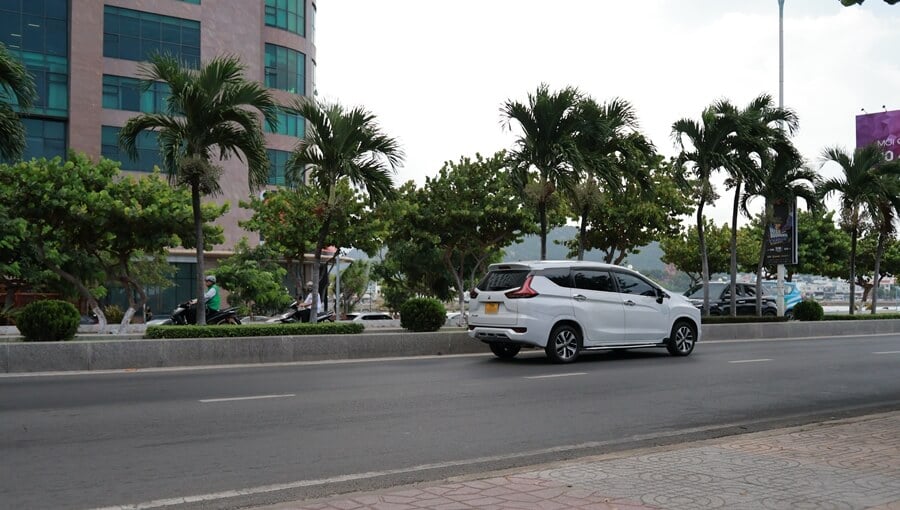
After checking into the hotel and taking some time to rest, the afternoon sun has usually become less intense. Many travelers choose to spend the remainder of the day walking along Tran Phu Street or relaxing on the beach in the heart of Nha Trang.
Nha Trang is also quite lively in the evening, with numerous cafes, shopping centers (most notably Nha Trang Center), beachfront bars, and seafood restaurants serving both visitors and local residents.
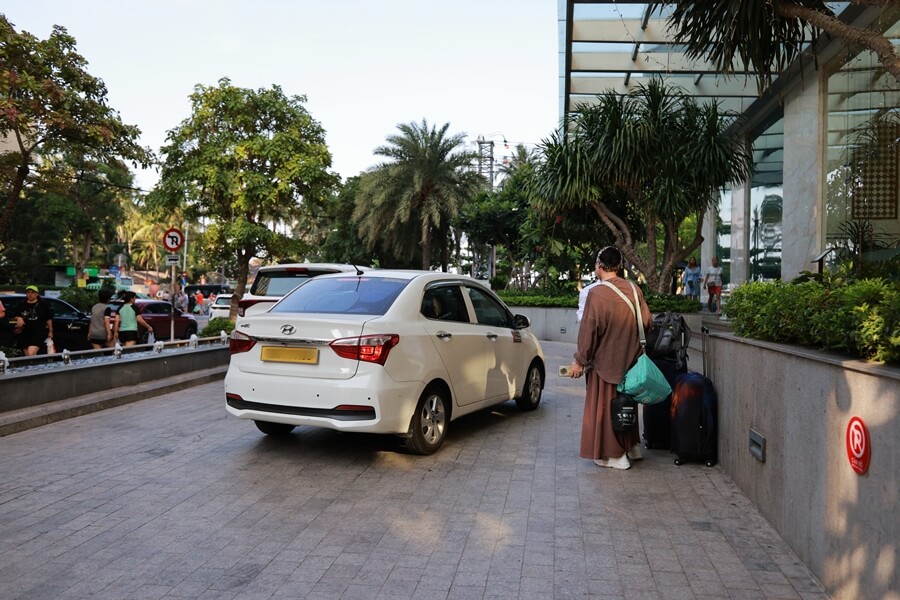
This is the ideal time to begin a relaxing stay in one of Vietnam’s most famous coastal cities.